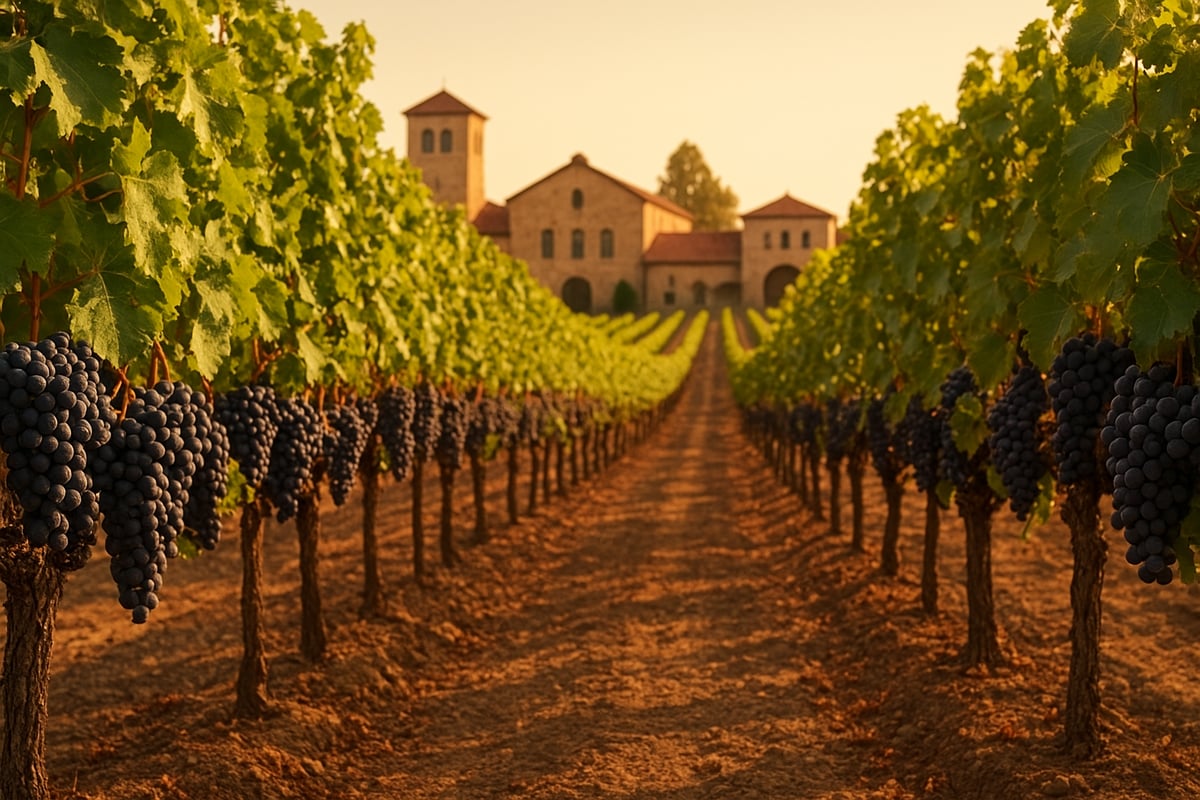

California Cabernet Wines Guide: Explore the Best of 2026

Imagine the anticipation swirling in tasting rooms as California’s next wave of Cabernet Sauvignon prepares to take center stage. Wine lovers and collectors everywhere are buzzing about what the 2026 vintage will bring from this legendary region.

This guide is your key to unlocking the world of California Cabernet wines in 2026. You’ll discover the stories behind the bottles, from historic milestones to the innovative techniques shaping today’s vineyards.

Curious about which regions shine, which producers lead the pack, and how to spot the must-have bottles? We’ll cover the legacy, terroir, winemaking trends, regions, tasting notes, buying tips, and what to expect from the exciting 2026 vintage.

Ready to elevate your wine journey? Read on for expert insights and insider recommendations that will help you savor every glass.

The Legacy of California Cabernet: A Brief History

California cabernet wines have a story that stretches back more than a century. The first Cabernet Sauvignon vines took root in the state’s sunlit soils in the mid-1800s, brought by European immigrants who saw the promise of California’s valleys. By the early 20th century, despite setbacks like Prohibition, passionate vintners were determined to preserve and elevate the grape’s legacy. Their dedication laid the groundwork for a transformation that would put California cabernet wines on the world map.

A defining moment arrived in 1976 at the Judgment of Paris, a blind tasting where California cabernet wines went toe-to-toe with the best Bordeaux. To the astonishment of the wine world, bottles like Stag’s Leap Wine Cellars and Chateau Montelena triumphed, shattering old prejudices and showing that California could rival Europe’s finest. This event sparked a renaissance, inspiring a new generation of winemakers and collectors to seek out california cabernet wines.

As the decades rolled on, California’s climate and spirit of innovation helped shape the bold, fruit-forward style that defines the region’s Cabernet. Advances in vineyard management, such as precise canopy control and sustainable farming, have made it possible to consistently produce top-tier wines even in challenging years. Winemakers experimented with oak aging, fermentation techniques, and blending strategies, each adding new layers of complexity and character to california cabernet wines.

Today, the scale of California’s Cabernet industry is staggering. The state produces over 80% of all U.S. wine, with Cabernet Sauvignon reigning as the most planted and celebrated varietal. For those who crave the numbers, California Cabernet Sauvignon statistics reveal just how dominant this grape has become, with thousands of acres devoted to its cultivation and millions of cases produced annually.

Milestones and legendary producers have punctuated this journey. Robert Mondavi’s pioneering vision in Napa Valley, Caymus’s signature power and polish, and Chateau Montelena’s Paris victory are only a few examples. The table below highlights some of these influential names and their contributions:

Producer Notable Achievement
Robert Mondavi Elevated Napa to global prestige
Caymus Iconic, fruit-driven Cabernet style
Chateau Montelena Paris Tasting 1976 champion

What’s truly exciting about California Cabernet wines today is their diversity. New regions like Paso Robles and the Santa Cruz Mountains are joining traditional powerhouses such as Napa and Sonoma. At the same time, a new wave of winemakers—including women, BIPOC, and next-generation innovators—are adding fresh perspectives to the state’s Cabernet story.

All these threads weave together a legacy that’s as dynamic as it is distinguished. As we look toward the 2026 vintage, understanding the history behind california cabernet wines helps us appreciate not just their taste, but the passion and progress in every bottle.

The Legacy of California Cabernet: A Brief History

California’s Cabernet Terroir: Key Regions and What Makes Them Unique
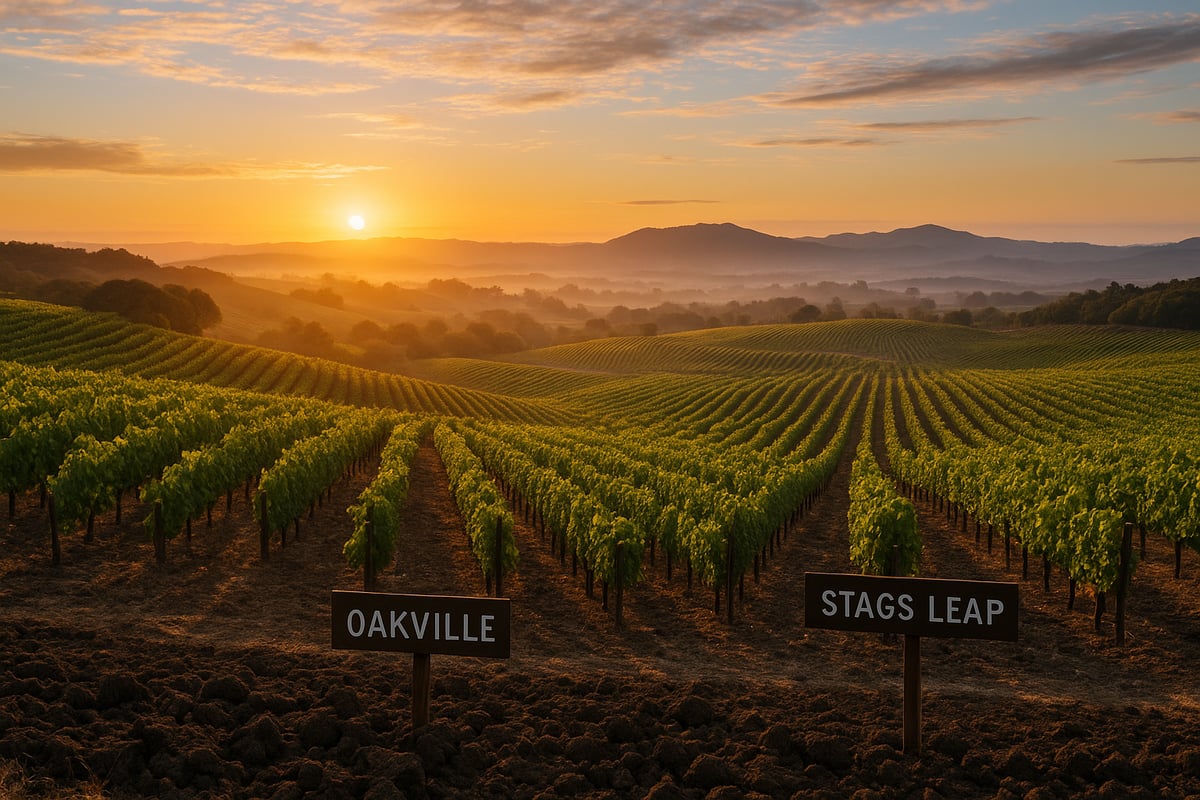
Every bottle of California Cabernet wines tells a story of place. From sun-drenched valleys to fog-kissed hillsides, the Golden State’s diverse terroir shapes every nuance in the glass. Understanding these unique regions isn’t just for experts—it’s the secret to finding your next favorite bottle.

California’s Cabernet Terroir: Key Regions and What Makes Them Unique

Napa Valley: The Heart of California Cabernet

When most people think of California Cabernet wines, Napa Valley springs to mind. This region is legendary, producing a large share of the state’s premium bottles. Napa’s magic comes from its patchwork of subregions, each with its own personality.

Let’s break it down:

  • Oakville: Known for plush, opulent Cabernet with dark fruit and velvety tannins.
  • Rutherford: Famous for “Rutherford dust,” lending earthy, cocoa-like notes.
  • Stags Leap District: Delivers elegance, floral aromatics, and silky structure.
  • Howell Mountain: Higher elevation brings power, minerality, and age-worthy structure.

Napa’s soils are a mosaic—volcanic ash, alluvial gravel, and rich clay each add their stamp. These diverse soils, combined with warm days and cool nights, create the bold yet balanced style that defines California Cabernet wines. Iconic bottles from estates like Opus One, Caymus, and Chateau Montelena consistently earn worldwide acclaim.

Sonoma County: Diversity and Elegance

Sonoma County offers a completely different face of California Cabernet wines. Here, the climate shifts from coastal fog to sunlit valleys, giving winemakers a broad palette to work with. Top Cabernet areas include Alexander Valley, Knights Valley, and Pine Mountain.

Sonoma’s style is often described as more restrained compared to Napa. Expect bright acidity, firm structure, and layers of red and black fruit. Many wine lovers find Sonoma Cabernets to be beautifully balanced, with a subtle elegance that makes them perfect for food pairing.

Standout producers like Jordan, Silver Oak, and Stonestreet are crafting bottles that highlight this region’s finesse. If you’re seeking California Cabernet wines with a twist, Sonoma’s diversity is a treasure trove waiting to be explored.

Paso Robles and Emerging Regions

Paso Robles has burst onto the scene as a powerhouse for bold, fruit-driven California Cabernet wines. The region’s signature is its dramatic temperature swings—warm afternoons ripen grapes fully, while cool nights lock in freshness. Calcareous soils, rich in minerals, add complexity and structure to the wines.

But Paso isn’t the only rising star. Emerging regions like Santa Barbara, Lake County, and the Santa Cruz Mountains are making their mark on the 2026 vintage. These areas bring their own microclimates and soil profiles, resulting in California Cabernet wines with unique flavors and personalities.

Keep an eye on boutique producers in these regions—they’re pushing boundaries with innovative blends and single-vineyard expressions. The 2026 releases promise exciting discoveries for adventurous wine lovers.

Climate, Soil, and Microclimate Factors

What ties all these regions together? It’s California’s exceptional climate, soil diversity, and microclimates. Sunshine is abundant, yet cool nights and coastal breezes preserve acidity, giving California Cabernet wines their signature vibrancy.

Soils range from volcanic to sandy loam, each lending different aromas and textures. Consistent dry harvests over the years have helped vintners produce reliable, high-quality Cabernet. For a deeper dive into vineyard distribution and varietal trends, check the California grape acreage report 2024.

Vintage variation is part of the adventure. Early reports suggest 2026 conditions are shaping up to deliver another stellar chapter in the ongoing story of California Cabernet wines.

What to Expect from the 2026 California Cabernet Vintage
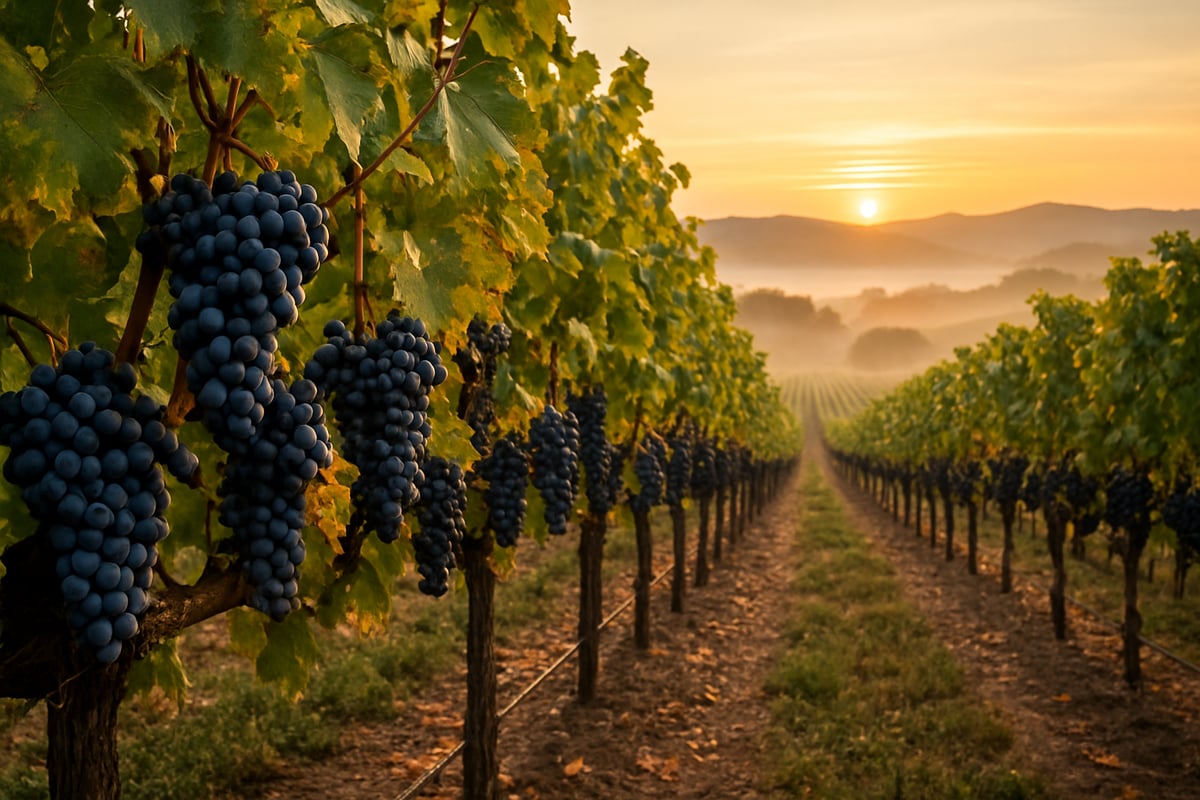
Anticipation is building for the 2026 release of california cabernet wines, and for good reason. Early insights from vineyards, innovative winemaking approaches, and evolving styles suggest a vintage that will capture collectors and casual enthusiasts alike. Let’s break down what you can expect from this much-awaited harvest.

What to Expect from the 2026 California Cabernet Vintage

Early Reports and Vintage Conditions

The 2026 growing season in California has been marked by a near-ideal balance of sun and rain, setting the stage for exceptional california cabernet wines. Winter brought steady, moderate rainfall, replenishing groundwater and supporting healthy vine growth. Spring arrived with mild temperatures, minimizing frost risks and ensuring even bud break across key regions like Napa Valley and Sonoma County.

Summer has followed with classic California sunshine, yet cool nights have helped preserve natural acidity in the grapes. These diurnal temperature swings are critical for developing complex flavors in Cabernet Sauvignon. Early harvest reports indicate small but intensely concentrated berries, which often translate into wines with deep color and powerful aromatics.

Many vineyard managers are comparing 2026 to standout years like 2013 and 2018, where balanced weather led to wines with both structure and freshness. As the harvest wraps up, optimism is high that this vintage will deliver on both quality and character for california cabernet wines.

Winemaking Innovations and Trends in 2026

Winemakers across California are embracing new techniques to elevate their 2026 cabernet releases. Sustainability is at the forefront, with more producers adopting organic and biodynamic farming methods to nurture both vineyard and environment. These practices not only support healthy grapes but also add depth and nuance to california cabernet wines.

In the cellar, advances in fermentation are making headlines. Some wineries are experimenting with wild yeast, extended maceration, or precision temperature controls to coax out layered flavors. Oak aging remains a cornerstone, yet there’s a trend toward using a mix of French and American barrels, as well as experimenting with different toast levels for added complexity.

Technology is also changing the game. Data-driven vineyard management, from soil sensors to drone imaging, is helping winemakers fine-tune irrigation and harvest timing. These innovations are designed to create california cabernet wines that are both expressive and true to their terroir, ensuring every bottle reflects the best of the 2026 vintage.

Anticipated Flavor Profiles and Styles

Wine lovers can expect 2026 california cabernet wines to showcase classic varietal character, with modern refinement. Early barrel tastings reveal vibrant aromas of ripe blackberry, cassis, and black cherry, layered with notes of cedar, graphite, and exotic spice. Tannins are expected to be firm yet polished, providing structure without harshness.

Acidity remains bright, thanks to cool night temperatures. This balance promises age-worthy wines that will evolve beautifully over a decade or more. Napa Valley cabs are trending toward opulence and power, while Sonoma bottles often show more restraint, elegance, and mineral-driven freshness.

For those curious about what sets red wine apart, these 2026 cabernets exemplify the depth, complexity, and food-pairing versatility that have made the varietal iconic. If you’re interested in the science and artistry behind these unique qualities, check out Why Red Wine Stands Apart for deeper insight.

Collectibility and Ageing Potential

Collectors are already eyeing 2026 california cabernet wines for their cellars. Early indicators suggest many top bottles will join the ranks of the state’s most age-worthy releases. Structured tannins and vibrant acidity hint at wines that will mature gracefully, revealing new layers of complexity with time.

  • Recommended cellaring: 8–20 years for premium Napa and Sonoma bottles
  • Drinking window: Some approachable within 2–3 years, others best after 5–10 years
  • Factors to consider: Producer reputation, vineyard site, and critical scores

Looking at previous acclaimed vintages, wines from similar growing conditions have appreciated significantly in value. For those investing or simply seeking memorable bottles for the future, 2026 california cabernet wines are shaping up to be a smart and rewarding choice.

Top Producers and Must-Try California Cabernet Wines in 2026
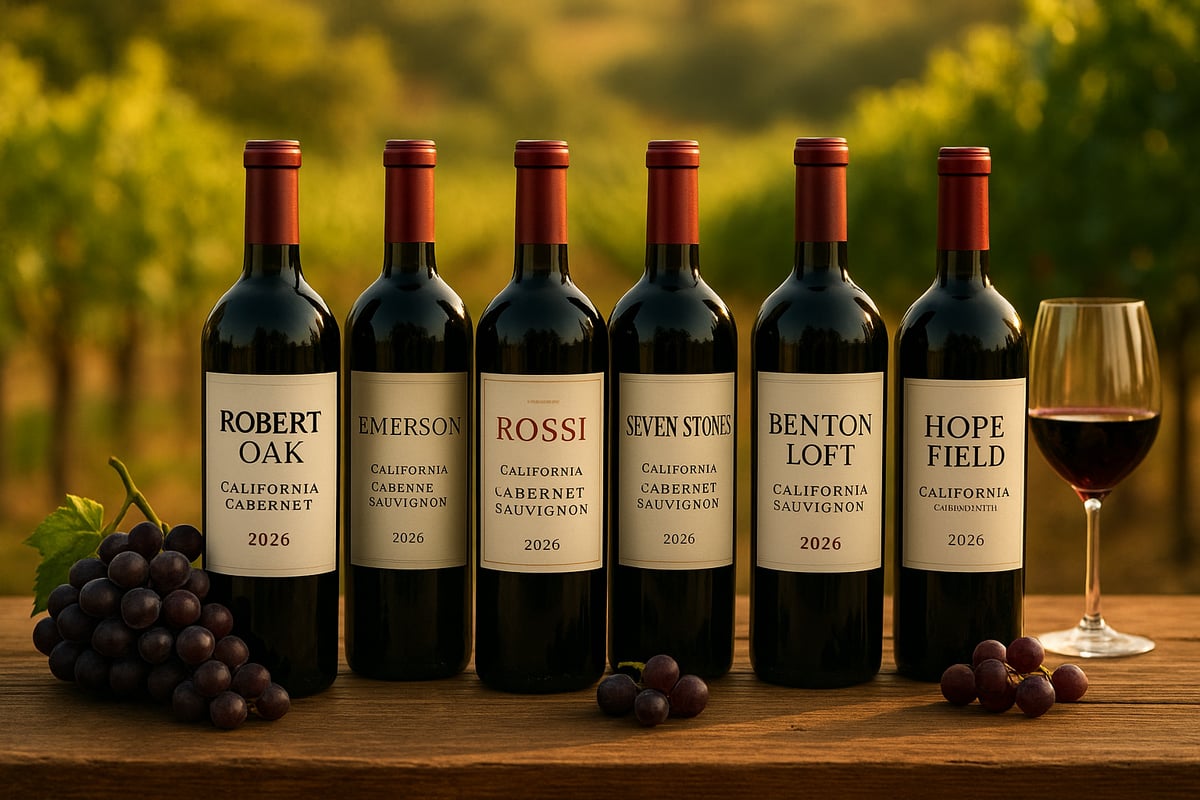
Looking to experience the finest california cabernet wines in 2026? The Golden State’s top producers are crafting Cabernets that capture the power, elegance, and diversity of California terroir. Whether you’re a collector, a curious taster, or a lover of bold reds, 2026 promises an array of must-try bottles that showcase innovation and tradition side by side.

Top Producers and Must-Try California Cabernet Wines in 2026

Iconic Estates and Flagship Bottles

The world’s love affair with california cabernet wines often begins with the legendary estates of Napa Valley and beyond. Names like Caymus, Far Niente, Dominus, Joseph Phelps, and Opus One set the benchmark for quality and prestige.

Let’s break down what to expect from their 2026 flagship Cabernets:

Producer Flagship Wine Style & Notes Price Range
Caymus Special Selection Plush, ripe, velvety $200–$250
Opus One Opus One Silky, dark fruit, spice $350–$450
Dominus Dominus Estate Structured, earthy $300–$350
Joseph Phelps Insignia Layered, mocha, berry $250–$300
Far Niente Estate Cabernet Elegant, floral, balanced $180–$220

These iconic producers are expected to release 2026 vintage wines with deep concentration, vibrant fruit, and age-worthy structure. Many have already received early critical praise, making them hot targets for collectors.

California’s wine industry continues to thrive, and the economic impact of these top producers is immense. For a deeper look at the industry’s growth and significance, see this California wine industry economic impact report.

Rising Stars and Boutique Wineries

Beyond the classics, a new wave of california cabernet wines is emerging from boutique wineries and rising stars. These producers are redefining what’s possible with small-lot craftsmanship and creative approaches.

Look for names like Memento Mori, Outpost, and Realm Cellars, who are gaining cult status with single-vineyard bottlings and limited releases. Their 2026 Cabernets often showcase unique terroir signatures, like volcanic minerality or mountain-grown intensity.

Many of these boutique wines are produced in tiny quantities, making them both sought-after and conversation-worthy. Exploring these hidden gems is a thrilling way to discover the innovative edge of california cabernet wines.

Value Picks: Outstanding Cabernets Under $50

Not every bottle of california cabernet wines needs to break the bank. The 2026 vintage brings a host of high-quality options under $50, perfect for weeknight dinners or casual celebrations.

Some standout value picks include:

Wine Price Tasting Note Best Pairing
Method $35 Juicy cherry, cocoa, smooth Grilled burgers
Olema $25 Blackberry, spice, fresh Pasta dishes
Bonanza $20 Plum, vanilla, approachable BBQ meats

These approachable Cabernets offer classic flavors and balance, making them crowd-pleasers. They pair beautifully with hearty meals, from roasted vegetables to steak, letting you enjoy the best of california cabernet wines without overspending.

Limited Editions and Collectors’ Gems

For those who crave rarity, the 2026 vintage brings several limited-production california cabernet wines that are already generating buzz. Look for names like Eisele Vineyard and Ramey Pedregal, whose small-batch releases often disappear quickly.

Securing these bottles usually means acting fast during release windows or joining allocation lists. Some wineries offer exclusive access through mailing lists or special events, so staying informed is key. These collectors’ gems promise exceptional aging potential and a unique story in every bottle.

Where to Buy: Online Retailers and Wine Clubs

Finding the best 2026 california cabernet wines is easier than ever, thanks to a range of reliable sources. Top online retailers like Wine.com and K&L Wine Merchants offer extensive selections, while auction sites provide access to rare and older vintages.

Direct-from-winery purchases can unlock exclusive releases and personalized service. Wine clubs are another excellent way to discover california cabernet wines, often granting early access to limited editions and members-only bottlings.

Joining a wine club or subscribing to producer newsletters ensures you’ll never miss out on the most exciting releases of the year.

Tasting and Enjoying California Cabernet: Expert Tips for 2026

Savoring california cabernet wines is an experience that goes beyond the glass. Whether you are a seasoned collector or a curious newcomer, knowing how to taste, pair, and store these iconic wines can elevate every bottle. Let’s unlock the secrets to enjoying the most anticipated 2026 releases.

How to Taste and Serve California Cabernet

To truly appreciate california cabernet wines, start with the right glassware. Choose large-bowled glasses, which allow aromas to concentrate and flavors to open up. Before pouring, decant young 2026 Cabernets for at least 30 minutes to soften tannins and reveal complexity.

Serve at 60–65°F for optimal flavor. When tasting, use this step-by-step approach:

  • Observe the wine’s deep color and clarity.
  • Swirl to release aromas, then inhale deeply.
  • Take a small sip, letting the wine coat your palate.
  • Note flavors, structure, and finish.

For 2026, expect vibrant fruit, firm tannins, and layered aromas. Enjoying california cabernet wines with this method ensures you taste every nuance.

Food Pairing Ideas for Cabernet Lovers

California cabernet wines are famously food-friendly. Their bold structure and rich fruit complement a variety of dishes. Classic pairings include:

  • Grilled steak or lamb chops
  • Portobello mushrooms and roasted vegetables
  • Aged cheddar or blue cheese

Looking for something creative? Try international flavors like Moroccan spiced eggplant or Korean barbecue. For vegetarians, discover Cabernet's Perfect Vegetarian Pairing for unexpected inspiration.

Don’t forget the role of acidity and tannin. Dishes with umami, herbs, or a touch of fat make california cabernet wines shine.

Hosting a 2026 California Cabernet Tasting Event

Gather friends or fellow collectors for a memorable tasting of california cabernet wines. Start by selecting a mix of regions, styles, and price points from the 2026 vintage. Arrange your flight from lighter to fuller-bodied wines.

Tips for a successful event:

  • Use neutral palate cleansers, like plain crackers.
  • Provide tasting sheets for notes and discussion.
  • Encourage blind tasting to focus on flavor without label bias.

Whether in person or virtual, a themed event lets everyone experience the diversity of california cabernet wines. Make it interactive by voting for favorites or pairing with small bites.

Storing and Cellaring Your 2026 Cabernets

Proper storage preserves the integrity of California Cabernet wines and unlocks their ageing potential. Aim for a cool, dark space with stable temperatures (55–58°F) and humidity around 70%. Avoid direct sunlight and vibration.

Here’s a quick reference table:

Condition Ideal Range
Temperature 55–58°F
Humidity 65–75%
Light Minimal/dark space
Position On the side

Most 2026 Cabernets will reward 5–20 years of cellaring. Track bottles and tasting windows, and savor them as they evolve. With care, california cabernet wines will deliver exceptional enjoyment for years to come.

Navigating the California Cabernet Market in 2026: Buying, Investing, and Trends

Exploring the world of california cabernet wines in 2026 means more than just picking a bottle off the shelf. The market is dynamic, with shifting trends, pricing, and new opportunities for collectors and everyday wine lovers. Want to make smart choices, find hidden gems, or even invest in a bottle that could become legendary? Let’s break down the essentials you need to know for navigating this exciting landscape.

Understanding Pricing and Value

Pricing for california cabernet wines in 2026 covers a broad spectrum, from everyday sippers to blue-chip collectibles. Napa Valley remains the epicenter for premium pricing, with top bottles fetching over $1,500, while excellent values can still be found for $20 to $50 from regions like Paso Robles or Sonoma.

A recent report shows that North Coast regions continue to lead in grape value, with the North Coast wine grape crop value 2024 hitting a record $1.8 billion. This impacts both quality and pricing, as demand for top vineyards drives up costs.

Price Range Region Typical Quality
$20–$50 Sonoma, Paso Robles Strong value, everyday drinkers
$50–$150 Napa, Santa Cruz Premium, age-worthy wines
$150–$1,500+ Napa, cult estates Collectible, rare, iconic

When shopping, look for wines with strong critical ratings, limited production, and reputable producers for the best value. Pay attention to vintage notes, as some years offer exceptional quality across all price points.

How to Spot Quality: Reading Labels and Ratings

Navigating labels is crucial when selecting California Cabernet wines. First, check the AVA (American Viticultural Area) designation, which tells you where the grapes were grown. Napa Valley, Alexander Valley, and Paso Robles are all top AVAs for Cabernet.

Next, look for vintage notes and any special mentions like “Reserve” or “Estate.” These often indicate higher standards or unique vineyard sources. Ratings from critics such as Wine Advocate, Wine Enthusiast, or James Suckling provide another layer of insight. Scores above 90 points typically signal excellent quality, though tasting notes and style preferences matter too.

Key label clues:

  • AVA or sub-AVA (e.g., Oakville, Rutherford)
  • Producer reputation and track record
  • Vintage year and any special designations
  • Ratings from trusted sources

Reading reviews and comparing tasting notes helps you find the California Cabernet wines that fit your palate and budget.

Investment Potential: Collecting California Cabernet

For collectors, california cabernet wines from top producers and acclaimed vintages can be both a passion and a smart investment. History shows that rare bottles from estates like Screaming Eagle, Harlan, or Opus One often appreciate in value, especially when kept in pristine condition.

Building a collection starts with provenance—buy from reputable retailers or directly from wineries. Invest in professional storage with controlled temperature and humidity. Keep records of purchase and condition, as this will matter if you ever resell.

Past vintages, such as 2013 and 2016, have seen significant price growth, making 2026 an anticipated year for potential gains. Focus on limited-production releases, single-vineyard bottlings, and those with high critical acclaim. Consider auction houses and fine wine exchanges for trading high-value california cabernet wines.

Sustainable and Inclusive Wine Choices

Sustainability and diversity are reshaping the California Cabernet wines landscape. More wineries are adopting organic, biodynamic, or regenerative farming to protect the land and produce purer wines. Labels with certifications like “Certified Organic” or “SIP Certified” make it easier to support eco-friendly producers.

Inclusivity is also gaining ground. Women and BIPOC winemakers are crafting acclaimed california cabernet wines and bringing new perspectives to the industry. Look for wineries that highlight diverse leadership or support community initiatives.

Supporting these producers isn’t just good for the planet—it often means discovering unique styles and stories behind each bottle. The movement towards ethical choices is expected to grow, influencing both wine quality and the market.

Future Trends: What’s Next for California Cabernet?

The future of california cabernet wines is bright and full of innovation. Climate change is prompting winemakers to experiment with drought-resistant rootstocks and new vineyard sites at higher elevations. Technology, from drone monitoring to data-driven irrigation, is helping optimize vineyard practices for consistent quality.

Consumer preferences are shifting too. Expect more single-vineyard bottlings, minimalist winemaking, and transparency about sourcing and production. The trend toward lower alcohol and fresher styles continues, appealing to a new generation of wine lovers.

As you explore California cabernet wines in 2026 and beyond, stay curious. Watch for emerging regions, sustainable pioneers, and the next big names in Cabernet. The journey is just beginning.

You’ve just explored what makes California’s 2026 Cabernet vintage so special—from legendary producers and bold new voices to the regions that bring these wines to life. If you’re feeling inspired to taste the future and discover bottles crafted by passionate women and minority winemakers, why not start your journey now? Whether you’re building your collection or just want to try something new, you’ll find a world of options that reflect the heart and diversity of California’s wine scene. Ready to experience these standout Cabs firsthand? Shop Today and bring home your next favorite bottle.

Leave a comment

Please note, comments must be approved before they are published