Food And Wine Pairing Menu Guide: Expert Tips for 2025
Imagine if every dinner party or family meal in 2025 could feel like a gourmet restaurant experience, all thanks to your perfectly crafted food and wine pairing menu. Whether you are a passionate home cook, a frequent entertainer, or a hospitality pro, this guide unlocks the secrets to pairing food and wine with confidence. Discover the science and creativity behind matching flavors, learn step-by-step menu planning, get expert tips for modern tastes, and find inspiration from around the world. Ready to impress your guests and enhance every bite? Let’s explore the effortless sophistication of the food and wine pairing menu together.
The Fundamentals of Food and Wine Pairing
Whether you are curating a food and wine pairing menu for a cozy night in or a grand celebration, understanding the fundamentals is your secret to success. The magic of pairing goes far beyond simply matching red with steak and white with fish. It is both a science and an art, blending tradition with bold creativity to elevate every bite and sip.
Understanding the Science and Art of Pairing
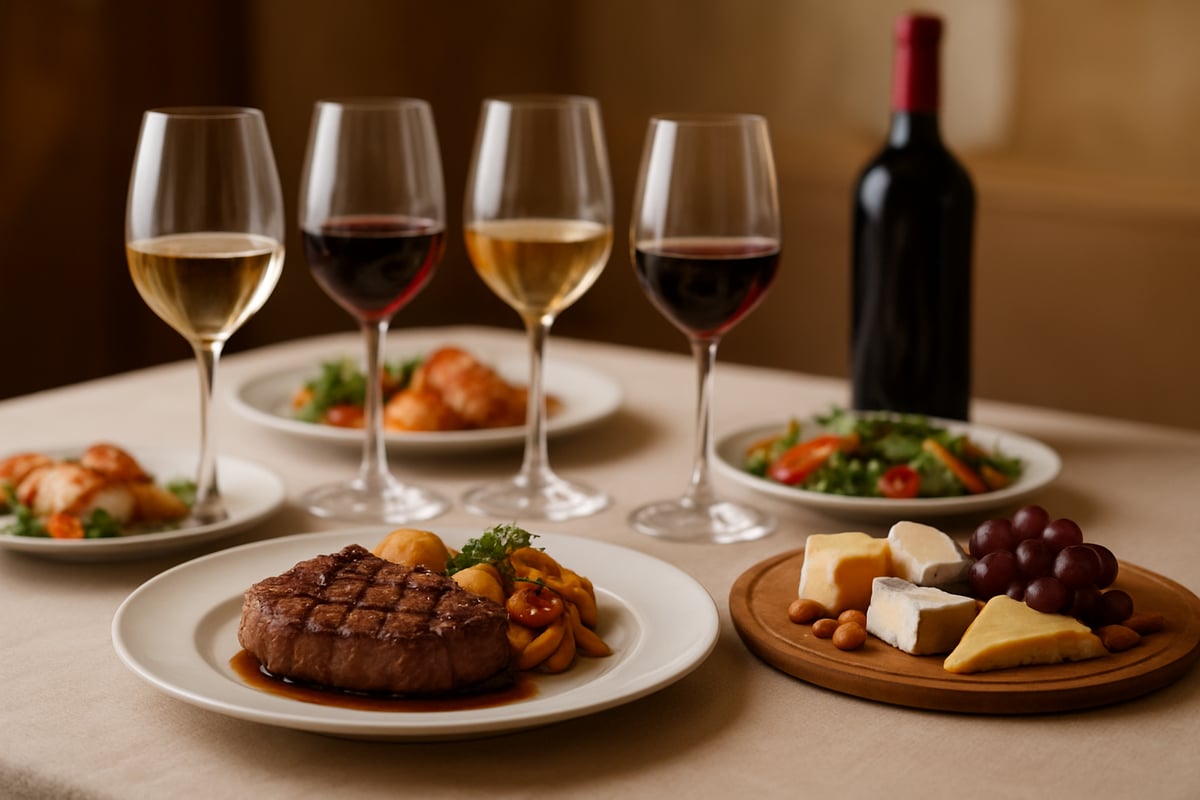
The journey of building a food and wine pairing menu starts with understanding how tradition and innovation interact. Historically, wine pairings were rooted in local cuisine, but today’s tables invite experimentation. Core pairing principles have evolved, yet still anchor every successful match.
Start by matching the intensity or weight of both food and wine. A rich, full-bodied wine will overwhelm a delicate dish, while a light white may fade against a hearty stew. Balance is key—acidity in wine can refresh the palate after creamy or fatty foods, while tannins in red wine soften when paired with protein-rich dishes. Sweetness and flavor profiles also play a vital role, especially as modern palates crave more adventurous pairings.
There are two main approaches: complementary pairings, where wine and food share flavor notes (think buttery Chardonnay with lobster), and contrasting pairings, where opposites attract, like a crisp Sauvignon Blanc cutting through the richness of goat cheese. Neither method is "right" or "wrong"—personal taste is always part of the equation.
Classic examples abound: Cabernet Sauvignon with steak, Sauvignon Blanc with fresh chèvre, or a sparkling wine with fried chicken. The goal is to enhance both wine and dish, never letting one overpower the other. In fact, research on sensory attributes in food and wine pairings shows that successful pairings rely on the interplay of tannins, sugar, and acid, the three primary wine flavor components.
As food and wine pairing menu trends shift, so do pairing rules. Today’s diners seek plant-based options, bold spices, and global flavors, challenging traditional pairings and encouraging creative, inclusive menus.
The Building Blocks: Wine Characteristics and Food Profiles
Every great food and wine pairing menu is built on the interplay between wine structure and food elements. Wine structure is defined by body, acidity, tannin, sweetness, and alcohol. Each of these traits interacts uniquely with the key components in food: fat, salt, sweetness, acidity, bitterness, and umami.
For example, a tannic red wine like Cabernet Sauvignon pairs beautifully with fatty meats, as the protein softens the wine’s astringency. Off-dry whites, such as Riesling, shine with spicy foods, where a touch of sweetness tames the heat. High-acid wines bring vibrancy to dishes with creamy textures or rich sauces, while sparkling wines are a go-to for salty or fried bites.
Here is a quick overview of wine types and their ideal food matches:
| Wine Type | Ideal Food Match |
|---|---|
| Sauvignon Blanc | Goat cheese, citrus salads |
| Chardonnay | Lobster, creamy pasta |
| Pinot Noir | Grilled salmon, mushroom risotto |
| Cabernet Sauvignon | Steak, hard cheeses |
| Riesling (off-dry) | Spicy Asian cuisine, pork |
| Rosé | Mediterranean vegetables, seafood |
| Sparkling Wine | Fried foods, oysters |
Understanding these building blocks gives you the freedom to create a food and wine pairing menu that is both creative and successful. The most memorable pairings come from knowing the rules—and then having the confidence to break them.
Step-by-Step: Creating a Food and Wine Pairing Menu for 2025
Designing a food and wine pairing menu is both an art and a science, but with the right approach, anyone can craft a memorable culinary experience. Whether you’re hosting at home or curating a restaurant event, this step-by-step guide will help you build a menu that excites every palate in 2025.
Step 1: Define Your Menu’s Purpose and Audience
Before you select a single dish or bottle, clarify the purpose of your food and wine pairing menu. Is it a formal celebration, a casual get-together, a holiday feast, or a chef’s tasting night? Pinpointing the event’s vibe sets the tone for everything that follows.
Next, consider your guests. Do they prefer plant-based options, have gluten sensitivities, or love bold flavors? Are they wine novices or seasoned enthusiasts? For 2025, expect more requests for vegan, vegetarian, and globally inspired dishes. The best food and wine pairing menu is one that makes everyone feel included.
For example, if your group includes vegans and gluten-free guests, plan at least one entrée and dessert that fit these needs. This ensures your menu delights every attendee.
Step 2: Select Dishes and Sequence Courses
Now, choose dishes that highlight distinct flavors and textures. A well-constructed food and wine pairing menu flows from lighter to richer courses, allowing each pairing to shine without overwhelming the palate.
Start with a fresh appetizer, then move to seafood or a vibrant salad, followed by poultry or plant-based mains, then heartier red meat or mushroom dishes, and finish with cheese and dessert. Palate cleansers like sorbet or citrus can help guests appreciate each new course.
Here’s a sample sequence:
| Course | Example Dish | Wine Style |
|---|---|---|
| Appetizer | Citrus-cured salmon | Sauvignon Blanc |
| Salad | Roasted beet salad | Dry Rosé |
| Main | Herb-crusted lamb | Syrah |
| Vegan Main | Wild mushroom risotto | Pinot Noir |
| Cheese | Aged cheddar | Malbec |
| Dessert | Lemon tart | Moscato d’Asti |
Multi-course pairing menus like these are gaining popularity in upscale venues. For more inspiration, check out this Thanksgiving meal wine pairings guide, which demonstrates how to match wines with a festive feast.
Step 3: Choose Wines that Enhance Each Course
With your dishes mapped, it’s time to select wines that elevate each plate. The secret to a successful food and wine pairing menu is matching the weight and intensity of both the food and the wine.
Consider regional authenticity: Italian dishes often sing with Italian wines, while Asian flavors might pair beautifully with aromatic whites or sparkling wines. Don’t be afraid to mix classic pairings with bold surprises, like pairing rosé with spicy cuisine or orange wine with roasted vegetables.
Use both complementary and contrasting pairings to add variety. For example, pair a buttery dish with an oaked Chardonnay for harmony, or a spicy dish with a slightly sweet Riesling for contrast.
Step 4: Optimize Pairings for Modern Diets and Preferences
Modern diners expect inclusivity, so adapt your food and wine pairing menu to suit vegetarian, vegan, and gluten-free needs. Non-alcoholic and low-alcohol wines are also in demand, making your menu accessible to everyone.
Highlight sustainable, organic, or BIPOC-produced wines for guests who value ethical choices. For instance, pair a natural wine with a seasonal plant-based entrée to showcase both flavor and values.
Offering thoughtful options ensures your food and wine pairing menu feels modern and welcoming, encouraging everyone to savor the experience.
Step 5: Present and Serve Your Pairings
Presentation is key to a polished food and wine pairing menu. Serve wines at the right temperature and in proper glassware to enhance aromas and flavors. Keep pours moderate so guests can enjoy each pairing without feeling overwhelmed.
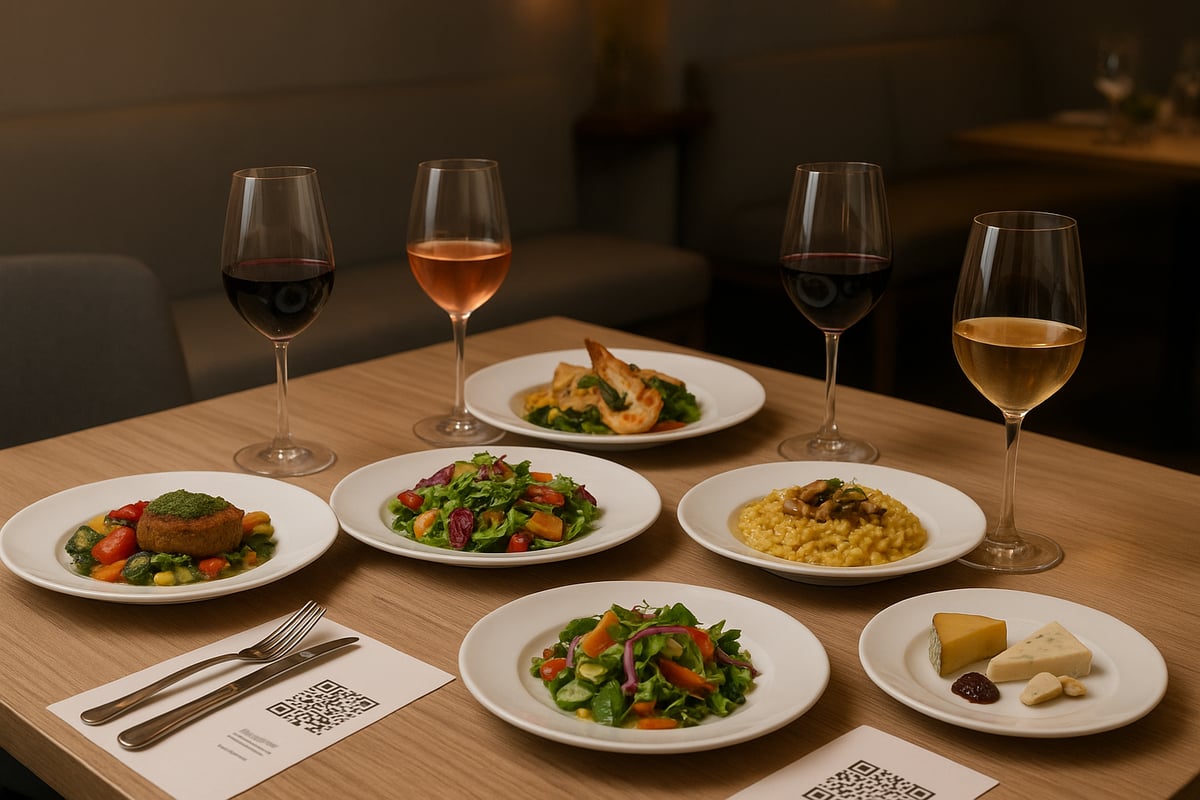
Write engaging menu descriptions that tell a story about each pairing. Use digital menus or QR codes for interactive access to tasting notes and real-time updates. Train staff to confidently recommend pairings, making guests feel cared for and informed.
A well-presented food and wine pairing menu transforms any meal into an unforgettable event, inviting guests to explore, learn, and celebrate together.
Expert Tips for Perfect Food and Wine Pairings
Looking to master the art of the food and wine pairing menu? Whether you are curating a menu for a dinner party or impressing guests in a restaurant, these expert tips will help you create memorable pairings. Each principle below will help you confidently match flavors, textures, and styles for every occasion.
Matching Weight and Intensity
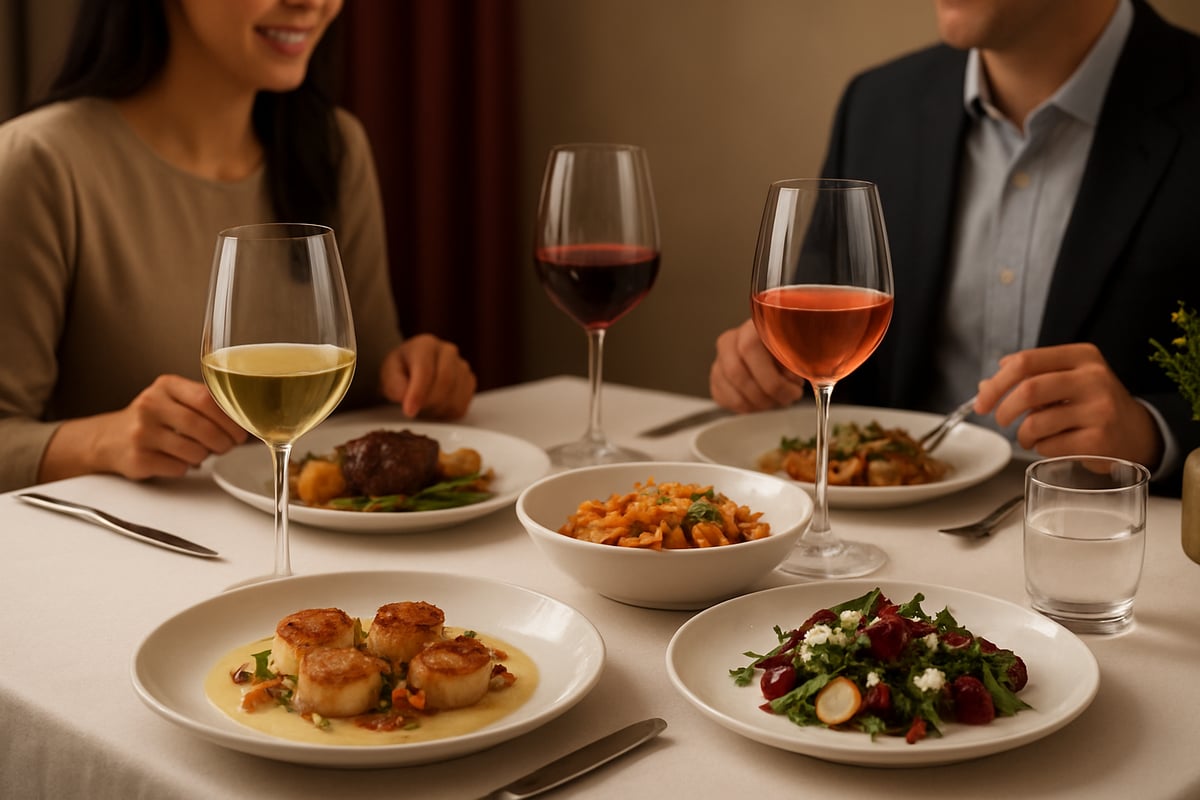
The foundation of every great food and wine pairing menu is matching the weight and intensity of both the dish and the wine. A light-bodied white wine pairs beautifully with delicate seafood, while a hearty, full-bodied red complements robust meats like steak or lamb.
If you serve a light wine with a rich, heavy dish, the flavors may become lost. Conversely, a bold wine with a subtle dish can overwhelm the palate. For a seamless food and wine pairing menu, always consider the body and richness of both food and wine.
Here is a quick reference:
| Food Weight | Wine Weight |
|---|---|
| Delicate (seafood) | Light-bodied |
| Medium (poultry) | Medium-bodied |
| Rich (red meat) | Full-bodied |
By matching the intensity, you ensure that neither the wine nor the dish overshadows the other, resulting in a harmonious dining experience.
Balancing Acidity, Sweetness, and Tannins
Acidity, sweetness, and tannins are three pillars that can make or break a food and wine pairing menu. Acidity in wine acts like a squeeze of lemon, cutting through rich or fatty foods and refreshing the palate. This is why crisp Sauvignon Blanc works so well with creamy goat cheese.
Sweet wines are excellent partners for spicy or salty dishes, creating a delightful contrast. Think Riesling with hot Thai cuisine or Moscato with salty blue cheese. Tannic wines, like Cabernet Sauvignon, need protein-rich foods to soften their astringency, making them perfect with grilled steak.
Always taste both wine and food together to see how these elements interact on your palate. With a little practice, you will quickly sense which balance works best for your menu.
Embracing Complementary and Contrasting Flavors
The most exciting food and wine pairing menu combinations often come from playing with complementary and contrasting flavors. Complementary pairings align similar flavor notes, such as an oaked Chardonnay with buttery lobster. Contrasting pairings, on the other hand, create balance by offsetting flavors, like pairing sparkling wine with fried chicken to cut through the richness.
Curious about the science behind these pairings? The Flavor network and food pairing principles study explores how shared flavor compounds can help predict harmonious matches, supporting your creative experiments in the kitchen.
Encourage your guests to jot down tasting notes and try new combinations. The more you explore, the more intuitive your pairings will become.
Navigating Common Pairing Challenges
Some ingredients are notoriously tricky to pair, but they do not have to derail your food and wine pairing menu. Artichokes, asparagus, eggs, and spicy foods can clash with many wines. The secret? Choose high-acid, low-tannin wines or sparkling options.
For example, a zippy Grüner Veltliner or a crisp Prosecco can stand up to the earthy bitterness of asparagus or the sulfur notes in eggs. Modern menus are increasingly featuring ingredients like kimchi, fermented vegetables, and global spices, so it pays to be flexible and ready to adapt.
Create a cheat sheet of go-to wines for challenging foods and keep it handy when planning your next menu.
Leveraging Technology and Tools
Digital innovation is transforming the way we create and present a food and wine pairing menu. Interactive wine lists, pairing apps, and QR code menus allow for real-time recommendations and instant updates. Restaurants report that digital pairing suggestions can increase upsell rates and enhance the guest experience.
Consider using AI-powered quizzes or apps to personalize pairings for each guest. Staff training is also crucial, ensuring everyone can confidently recommend pairings and share engaging stories behind each match.
By embracing these tools, you make your food and wine pairing menu more dynamic, interactive, and memorable for every diner.
Global Inspirations: Pairing Menus from Around the World
Food and wine pairing menu ideas are not just about what’s on your table, but where those flavors originate. Around the globe, traditions and innovations shape how chefs and enthusiasts approach the perfect pairing. Let’s journey through the classic and the cutting edge, discovering what the world can teach us about crafting unforgettable food and wine pairing menu experiences.
Old World Pairing Traditions
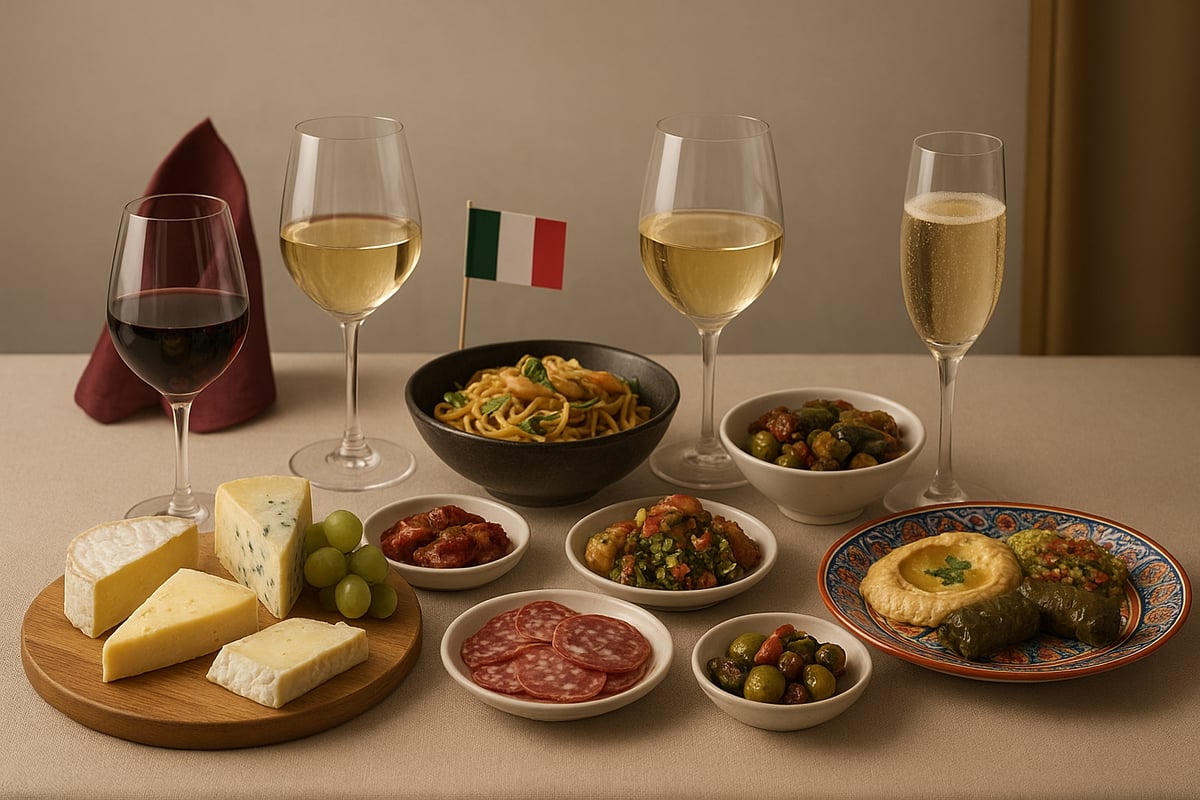
The Old World—France, Italy, and Spain—has long set the standard for food and wine pairing menu creation. The guiding philosophy is simple: what grows together, goes together. Regional dishes are matched with local wines, creating a natural harmony.
- In France, Sancerre is a classic companion to tangy goat cheese.
- Italy celebrates the union of Chianti and Tuscan fare, like tomato-rich pasta or aged cheeses.
- Spanish Rioja shines with roasted lamb or rich tapas.
These traditions focus on balance and familiarity. Old World pairings emphasize subtlety, letting both food and wine shine without overpowering the palate. By exploring these time-tested combinations, your food and wine pairing menu gains depth and authenticity.
New World and Fusion Pairings
New World regions—America, Australia, South Africa, South America—bring creativity and boldness to the food and wine pairing menu. With fewer rules, chefs and sommeliers experiment with fusion flavors and unexpected matches.
- California Zinfandel pairs beautifully with smoky barbecue.
- Australian Shiraz complements spicy grilled meats and hearty stews.
- South African Chenin Blanc enhances fresh seafood and citrusy salads.
- Argentine Malbec is a favorite with empanadas or grilled vegetables.
Fusion cuisine is another hallmark, blending Asian spices with European techniques or Latin ingredients with global wines. This approach invites you to break tradition, mixing classic and modern elements to make your food and wine pairing menu unique and memorable.
Emerging Trends for 2025
Looking ahead, the food and wine pairing menu landscape is evolving with new flavors and inclusivity. Asian cuisine, with its bold spices, finds perfect partners in aromatic whites like Riesling and Gewürztraminer. Middle Eastern and African dishes, rich in spices and herbs, pair well with off-dry rosé or sparkling wine.
A notable trend is the influence of multicultural winemakers, bringing fresh perspectives and diverse pairing ideas. Plant-based dishes and botanical flavors are also on the rise, expanding the possibilities for creative menus.
For more on what’s shaping menus next year, explore the 2025 food and drink trends, which highlight the growing demand for innovative pairings and global inspiration. With these trends, your food and wine pairing menu will not only impress but also reflect a world of flavor.
Digital Tools and Modern Presentation for Food and Wine Pairing Menus
The future of the food and wine pairing menu is digital, interactive, and tailored for the modern diner. As technology reshapes the dining experience, restaurants and hosts are discovering new ways to present pairings that are both seamless and memorable. Imagine every guest at your table exploring pairings with a simple scan or tap, making the food and wine pairing menu an experience in itself.
The Rise of Digital Menus and Interactive Pairing Guides
Digital transformation is at the heart of the 2025 food and wine pairing menu. With the rise of contactless dining, digital menus accessed by QR codes have become the new standard. This shift offers more than just hygiene and convenience; it unlocks creative possibilities for food and wine pairing menu presentations.
Restaurants can now update pairings instantly, swapping in seasonal wines or new dishes with zero printing delays. Guests benefit from engaging visuals, tasting notes, and even video introductions to pairings. Imagine browsing a menu where each course is paired with tasting notes, photos, and suggested alternatives, all at your fingertips.
Benefits of Digital Pairing Menus:
| Benefit | Description |
|---|---|
| Hygiene | Touch-free access for guests |
| Flexibility | Real-time menu updates |
| Engagement | Interactive, visually rich guides |
| Education | Built-in pairing explanations |
With a digital food and wine pairing menu, restaurants can also highlight limited-edition wines or special events, keeping the experience fresh and dynamic.
Leveraging Data and Personalization
Personalization is quickly becoming the secret sauce for a standout food and wine pairing menu. By leveraging guest data, restaurants can suggest pairings based on individual preferences, dietary needs, or even previous orders. Interactive quizzes can guide guests to their ideal wine match, making the pairing process fun and tailored.
AI-powered apps and algorithms are now helping sommeliers and hosts deliver smarter recommendations. According to a recent computational approach to food-wine recommendations, new technologies can analyze both wine and food profiles to suggest pairings that go beyond traditional rules, catering to modern tastes and global cuisines.
Imagine a guest scanning a QR code and instantly seeing pairings that fit their vegan or gluten-free diet, or exploring wines from emerging regions based on their flavor preferences. The food and wine pairing menu becomes a personalized journey, increasing satisfaction and engagement.
Upselling and Enhancing Guest Experience
A thoughtfully designed food and wine pairing menu is a powerful upselling tool. When guests understand the story behind each pairing, they are more likely to try new wines or opt for a full pairing flight. Interactive menus can highlight premium options, suggest upgrades, or offer add-ons like cheese or dessert pairings.
Staff training is essential—well-informed servers can confidently explain why each wine complements the dish, share tasting notes, and answer guest questions. Storytelling adds another layer, transforming each pairing into a memorable narrative that guests will remember long after the meal.
Restaurants report that digital and interactive food and wine pairing menu strategies not only boost average check sizes, but also leave guests feeling educated and inspired to experiment at home. The future is here, and it tastes better than ever.
Sample Food and Wine Pairing Menu for 2025
Looking for inspiration to craft your own food and wine pairing menu? Here is a sample multi-course lineup designed to impress guests, delight your palate, and fit the latest trends in 2025. This food and wine pairing menu balances classic favorites with modern twists, and each course can be adapted for any occasion.
Multi-Course Menu Example
Below is a table outlining an expertly curated food and wine pairing menu for 2025. Each course features a thoughtful match, plus a non-alcoholic option for inclusive enjoyment.
| Course | Dish | Wine Pairing | Non-Alcoholic Pairing |
|---|---|---|---|
| Appetizer | Citrus-cured salmon | Sauvignon Blanc | Sparkling citrus water |
| First Course | Roasted beet salad | Dry rosé | Hibiscus iced tea |
| Main Course | Herb-crusted lamb OR Mushroom risotto | Syrah OR Pinot Noir | Tart cherry juice spritzer |
| Cheese | Aged cheddar | Malbec | Apple cider |
| Dessert | Lemon tart | Moscato d’Asti | Lemon verbena infusion |
Why do these pairings work? The zesty Sauvignon Blanc brightens the citrusy salmon, while dry rosé lifts the earthy sweetness of roasted beets. For mains, Syrah’s boldness complements lamb, and Pinot Noir’s finesse makes it ideal for a vegan mushroom risotto. Curious about more ways to pair Pinot Noir? Discover creative ideas in the Perfect Pinot Noir pairings guide.
Aged cheddar and Malbec are a timeless match, with robust flavors enhancing each other. For more tips on cheese courses, explore this detailed cheese and wine pairings guide. Finish with a lemon tart and Moscato d’Asti, balancing sweet, tart, and bubbly notes.
Adapting the Sample Menu
Want to make this food and wine pairing menu your own? Swap in seasonal or local ingredients to keep flavors fresh and exciting. For example, try grilled peaches in summer salads or root vegetables in winter, and adjust wine selections to reflect the season.
Always consider dietary needs. Substitute gluten-free grains, opt for plant-based cheeses, or offer alcohol-free wines. Each course in the food and wine pairing menu can be tailored to vegan, vegetarian, or allergy-friendly preferences. Don’t be afraid to experiment. Mix unexpected pairings or introduce global flavors and sustainable wines to surprise your guests.
Above all, let your food and wine pairing menu reflect your unique taste and creativity. The best experiences come from sharing food, wine, and stories that bring people together.
Now that you’ve got the inside scoop on crafting unforgettable food and wine pairing menus for 2025, why not take your next meal to new heights with wines that truly stand out? Imagine surprising your guests—or just treating yourself—to unique bottles crafted by passionate BIPOC winemakers from around the globe. At The Wine Concierge, you’ll discover handpicked selections that celebrate diversity, quality, and adventure in every sip. Ready to explore your palate and find the perfect pairing for your next menu? Let’s make your wine journey extraordinary—Shop Today.
1 comment
I’m grateful for the given tips, thanks very much.