
The Essential Guide to Wine Tastings at Home (2026)
Imagine transforming your next gathering into an unforgettable adventure with wine tastings at home. Picture laughter, learning, and new flavors, all in the comfort of your own space. Hosting your own tasting is easier than you think, and it’s the perfect way to bring friends together.
This guide will show you step-by-step how to create a sophisticated, fun, and educational event. Learn how to pick the perfect wines, set the mood, guide your guests, and make everyone feel welcome. Ready to impress and connect? Let’s get started!
Why Host a Wine Tasting at Home?
Curious why wine tastings at home have become a top trend? The answer is simple: they blend comfort, creativity, and connection in ways traditional outings can’t match. More people are discovering the joys of exploring wine with friends from the comfort of their own space.
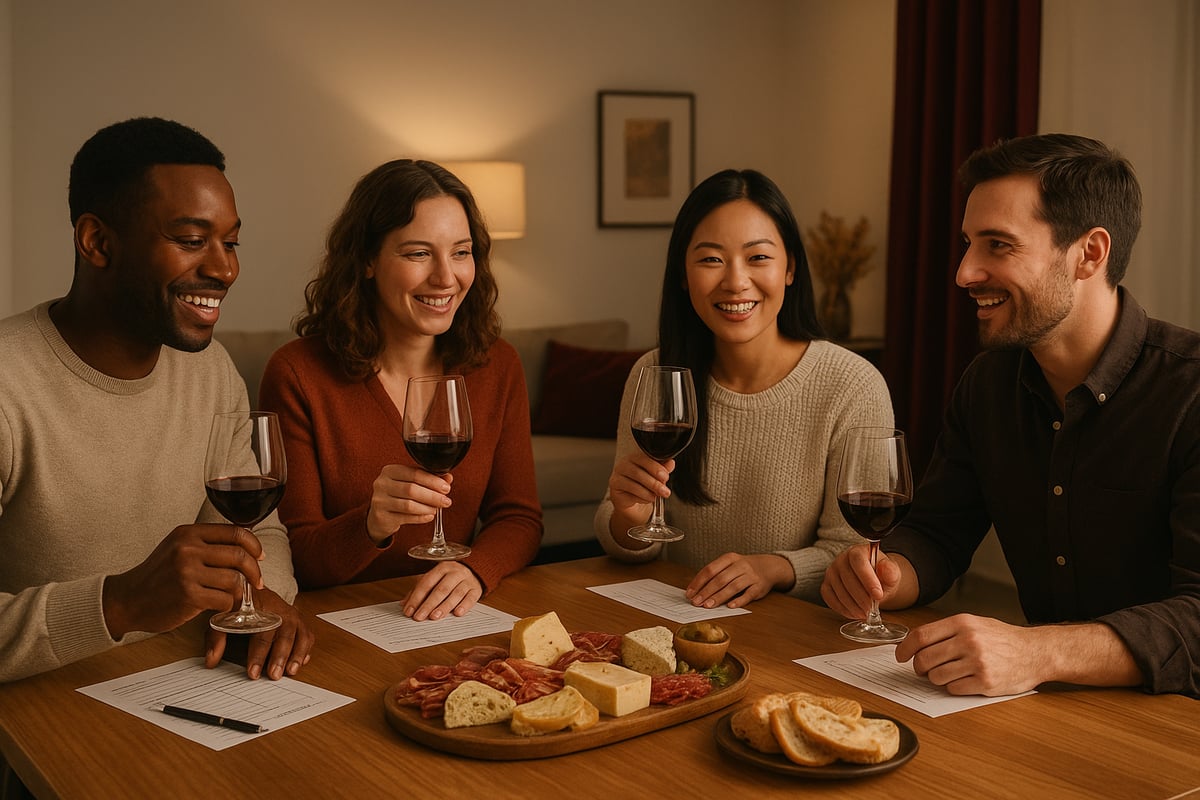
The Rise of At-Home Tastings
Since 2020, home entertaining has seen a remarkable surge. According to recent Wine Market Council's 2025 Research Studies, 42 percent of wine enthusiasts now prefer wine tastings at home over restaurant or winery visits. This shift is fueled by greater access to wines from around the world, thanks to online retailers and delivery services.
Hosting wine tastings at home makes exploring new bottles more affordable. You can skip expensive tasting fees and design an experience that fits your budget. Flexibility is another huge perk. Want a French rosé night in spring or a deep dive into bold reds in winter? You decide.
Personalization is easy. Tailor the lineup to your guests’ favorites, accommodate dietary needs, or even theme your tasting around a holiday or region. The comfort of your own space lets everyone relax and enjoy the event fully. Plus, you can experiment, learn at your own pace, and make the event as formal or casual as you like.
Inclusivity is key. With wine tastings at home, you can welcome guests with diverse palates, cultural backgrounds, or dietary preferences. Everyone gets a seat at the table, making the evening special for all.
Benefits for Wine Lovers and Beginners
Wine tastings at home are perfect for both aficionados and curious newcomers. For seasoned wine lovers, they offer the chance to deepen knowledge in a relaxed, low-pressure setting. You can compare notes, discuss tasting impressions, and build confidence in your wine vocabulary.
For beginners, wine tastings at home break down barriers. There is no intimidation or fear of “getting it wrong.” Guests can ask questions, try new styles, and learn together. This shared discovery sparks lively conversations and forges new connections.
These tastings are ideal for celebrations, team-building, or just a fun night in. Imagine a birthday gathering where everyone brings a bottle to explore, or a virtual event connecting friends across cities. Themed nights, like “Wines of Italy” or “Blind Tasting Challenge,” add a playful twist.
Wine tastings at home foster memories that go beyond the glass. They bring people together, create space for learning, and ensure every guest leaves with a story to tell.
The Wine Concierge can lead your home tasting parties.
Planning Your At-Home Wine Tasting: Step-by-Step
Ready to master wine tastings at home? With the right planning, you can design an unforgettable evening filled with discovery, laughter, and delicious wines. Let’s walk through each step to ensure your event is smooth, stylish, and memorable for everyone.
Step 1: Choose Your Tasting Format
The foundation of successful wine tastings at home is picking the right tasting format. Will you explore wines from one region, compare the same grape from different producers, or opt for a blind tasting where labels are hidden? Each format brings its own excitement.
- Vertical tasting: Same wine, different vintages. Great for seeing how a wine evolves.
- Horizontal tasting: Same vintage, different producers or regions.
- Blind tasting: Cover labels to challenge taste buds and assumptions.
- Regional or varietal: Focus on a specific place or grape.
Blind tastings are especially fun at wine tastings at home, sparking conversation and friendly debate. Consider your guests’ experience levels and preferences when choosing a format. A theme adds structure and helps guests engage more deeply with the wines.
Step 2: Selecting Your Wines
For wine tastings at home, aim for 4 to 6 bottles. This keeps the experience rich without overwhelming palates. Balance reds, whites, rosés, and sparkling wines, or stick to a single style for focused exploration.
Where to source your bottles? Local wine shops often have knowledgeable staff, while online retailers and wine clubs offer global selections. Consider your budget, the season, and your guests’ tastes. For summer, a flight of crisp whites and rosés works well. For winter, bold reds steal the show.
For inspiration on standout whites, check out the Uncork the Magic: Top White Wines blog. Curate your selection thoughtfully to make your wine tastings at home shine.
Step 3: Curating the Guest List and Invitations
The ideal size for wine tastings at home is 6 to 10 people. This ensures lively discussion without chaos. Think about your guests—mix wine lovers and curious beginners for the best dynamic.
Send digital invitations for convenience. Include the tasting theme, start time, and any special instructions, like bringing a favorite bottle or a snack to share. Setting expectations helps guests feel comfortable and excited to join wine tastings at home.
Encourage RSVPs to plan seating and pours. The right group and clear communication set the stage for a memorable evening.
Step 4: Setting the Scene
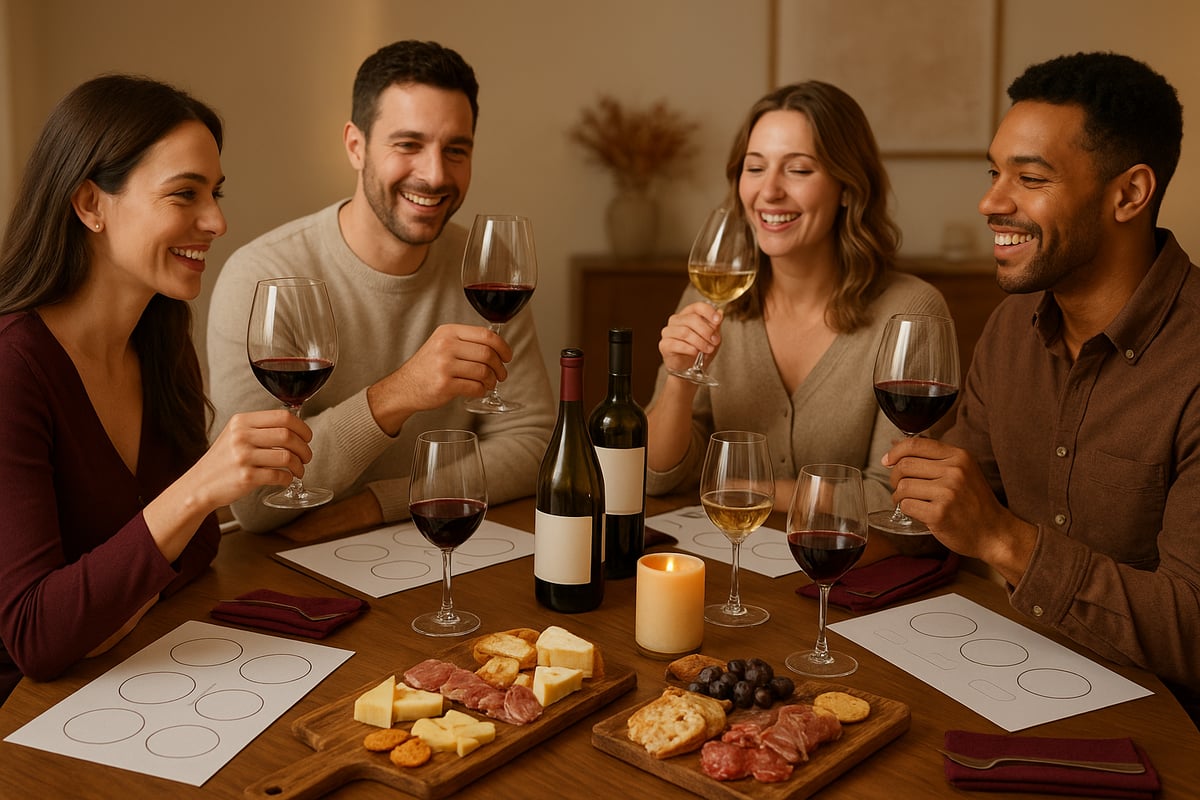
Ambiance is key for wine tastings at home. Start with proper glassware, matching styles to each wine type if possible. Arrange tasting mats, spittoons, water pitchers, and palate cleansers like bread or crackers.
Decorate to fit your theme—consider candles, soft lighting, and a curated playlist. For an Italian night, use regional wines, rustic table settings, and Italian music. These thoughtful touches elevate wine tastings at home, making guests feel special and engaged.
Comfortable seating and a clutter-free table let everyone focus on the wines and the experience.
Step 5: Preparing Tasting Materials
Equip your guests with tasting sheets and scoring cards to jot down impressions. Provide wine information cards with details like producer, region, grape, and tasting notes. These materials help guests learn and remember their favorites from wine tastings at home.
Optional extras include maps of wine regions, aroma wheels, or educational handouts. These tools spark curiosity and conversation, especially for beginners. Keep materials simple and accessible so everyone feels included.
Preparation ensures that wine tastings at home are both educational and fun.
Step 6: Food Pairings and Snacks
No wine tastings at home are complete without delicious snacks. Classic pairings like cheese and charcuterie are always a hit. Add nuts, olives, and palate cleansers for variety. Think about complementary and contrasting flavors—creamy cheeses with crisp whites, bold meats with robust reds.
Be sure to accommodate dietary needs and allergies so everyone can enjoy. Prepare snacks in advance to keep the focus on tasting. Two mentions: Wine tastings at home are a fantastic way to discover new favorite pairings, and with a thoughtful spread, your event will feel both festive and inclusive.
How to Lead a Memorable Wine Tasting Experience
Hosting wine tastings at home is more than pouring a few bottles—it's about creating an experience that sparks curiosity, conversation, and connection. Whether your guests are seasoned sippers or first-time tasters, thoughtful leadership will transform your gathering from ordinary to unforgettable.
Guiding the Tasting Process
Start your wine tastings at home with a clear tasting order. Serve lighter wines before bolder ones—whites before reds, and younger vintages before older. This approach helps guests appreciate each wine’s nuances without overwhelming their palates.
For a professional touch, maintain the ideal serving temperatures. Here’s a quick reference table:
| Wine Style | Serving Temperature |
|---|---|
| Sparkling | 40-50°F (4-10°C) |
| White, Rosé | 45-55°F (7-13°C) |
| Red (Light) | 55-60°F (13-16°C) |
| Red (Bold) | 60-65°F (16-18°C) |
Keep pours to about 2 ounces per wine. This encourages mindful tasting and keeps the event lively. Guide your group through the five S’s:
- See – Observe the color and clarity.
- Swirl – Release aromas by gently swirling the glass.
- Sniff – Inhale deeply to pick up scent notes.
- Sip – Taste slowly, letting flavors develop.
- Savor – Notice texture, finish, and overall impression.
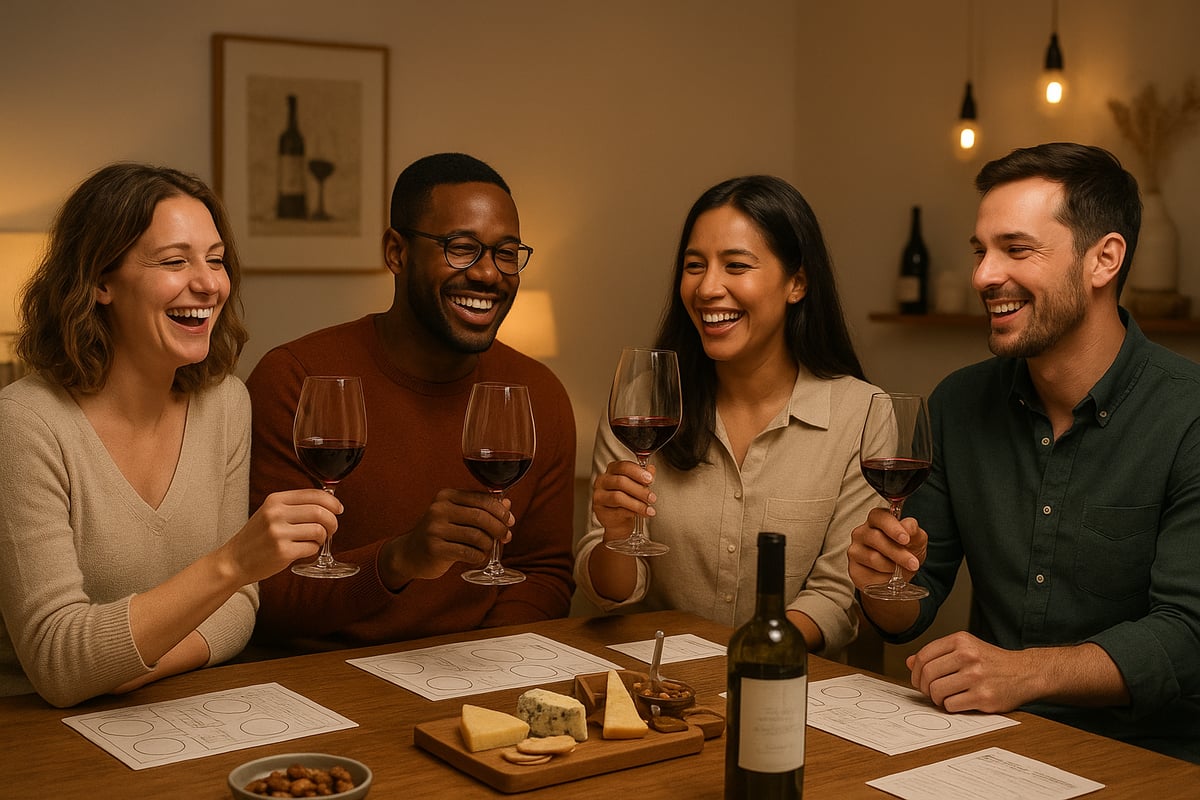
Encourage everyone to describe what they see, smell, and taste. Wine tastings at home are the perfect chance to explore new vocabulary without any pressure.
Want to add excitement? Introduce blind tasting bags. Guests can sample wines without knowing the labels, promoting honest feedback and lively discussion. For more expert tips, check out this Hosting a Live Wine Tasting guide, which offers real-life strategies for keeping your tasting engaging and interactive.
Invite guests to share impressions openly. Remind everyone that there are no wrong answers—wine is all about personal discovery. This inclusive spirit is what makes wine tastings at home so rewarding.
Engaging Your Guests
Keeping guests engaged is key to memorable wine tastings at home. Start with a fun icebreaker, such as asking everyone to share their favorite wine memory or a surprising food pairing they’ve tried.
Bring energy to the table with themed conversation starters. For each wine, share a quirky fact about the grape, region, or winemaker. Did you know some winemakers use music in their cellars, believing it helps wine mature?
Games are a fantastic way to encourage participation. Try these crowd-pleasers:
- Guess the Grape: Blind-taste a wine and have guests identify the varietal.
- Wine Trivia: Prepare questions about wine history, regions, or tasting techniques.
- Aroma Challenge: Present covered jars of spices or fruits for guests to sniff and match to wine aromas.
To boost excitement, offer a small prize for the most creative tasting note or the guest who guesses the most wines correctly. This friendly competition transforms wine tastings at home into interactive experiences everyone remembers.
Encourage guests to jot down their thoughts on tasting sheets. Compare notes, laugh at wild guesses, and celebrate unique perspectives. The goal is connection, not perfection.
Whether you’re hosting a birthday, a team-building night, or simply gathering friends, these strategies ensure your wine tastings at home are as educational as they are entertaining.
Wine Selection and Sourcing in 2026
Selecting the right wines is at the heart of unforgettable wine tastings at home. The landscape of wine sourcing is changing rapidly, offering more options and exciting trends for every kind of host.
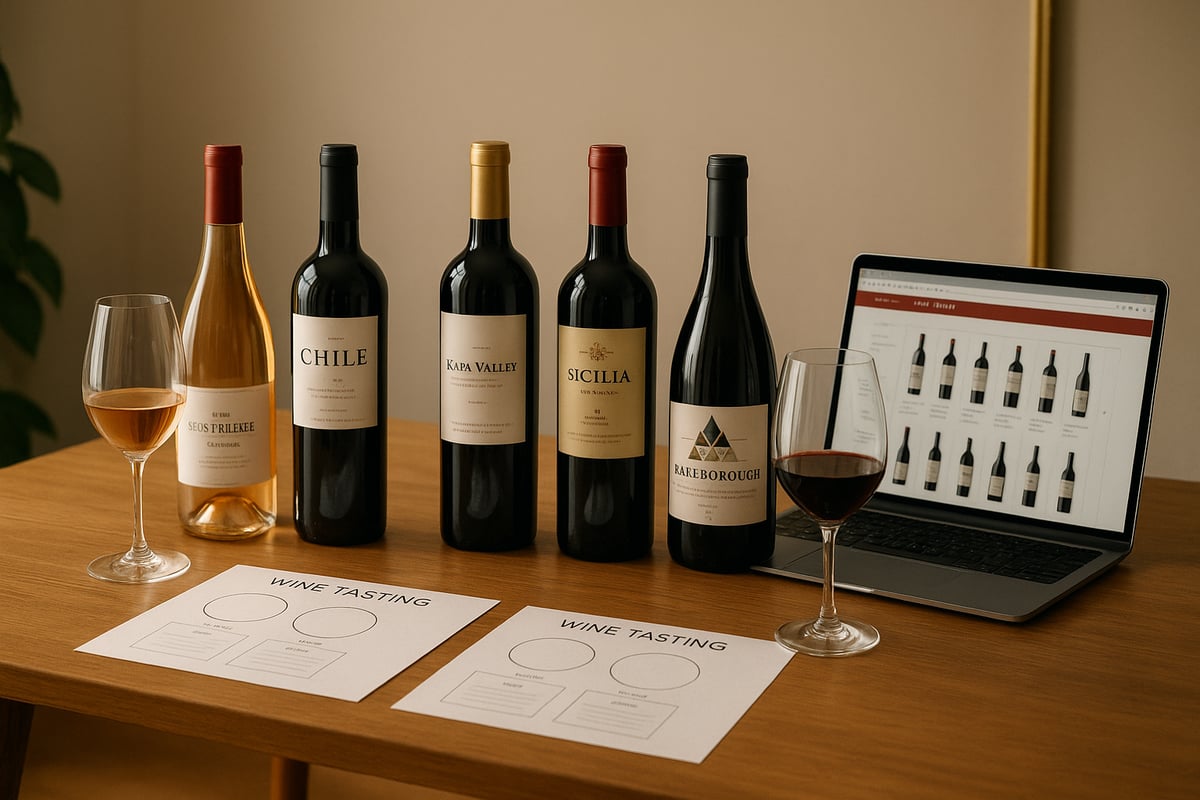
Trends in Wine Consumption and Sourcing
Curating a memorable wine lineup for wine tastings at home means keeping up with the latest industry shifts. In 2026, sustainability is no longer a buzzword but an expectation. Hosts are reaching for organic, biodynamic, and low-intervention wines, seeking options that are better for the planet and palate.
Diversity is driving discovery. Wine lovers are exploring bottles from women and BIPOC producers, as well as emerging regions like Greece, Uruguay, or South Africa. This diversity brings new stories, flavors, and perspectives to wine tastings at home.
Shopping for your lineup has never been easier. Subscription services and curated wine clubs deliver unique finds right to your door. Online retailers offer global selections, but how do you know what’s good? Look for platforms with transparent sourcing, customer reviews, and clear details about producer practices.
If you want to dive deeper, many wineries now offer virtual tastings and direct-to-consumer shipping. This means you can feature rare or limited releases at your wine tastings at home, connecting your guests with the people behind the bottle.
Curious about what’s trending this year? Explore the Top 6 Wine Trends for 2025 to inspire your next event. From eco-friendly packaging to the rise of lesser-known varietals, these trends make wine tastings at home dynamic and fresh.
The Wine Concierge: Diverse & Curated Wine Experiences
For hosts who want to create inclusive, engaging wine tastings at home, The Wine Concierge is a standout resource. Their mission is to make wine approachable for everyone, spotlighting wines from women, BIPOC, and culturally diverse winemakers.
The Wine Concierge’s curated selection brings together bottles you might not find at your local shop. Their subscription club, Shades of Vino, lets you customize your shipment, ensuring every wine tastings at home experience feels personal. Whether you’re planning a themed night or want to explore new regions, they offer options for every palate.
Education is at the core of The Wine Concierge. They provide tasting guides, events, and digital resources so beginners and enthusiasts alike can grow their wine confidence. Need tips on food pairings, tasting techniques, or wine vocabulary? Their resources make it easy to guide your guests through wine tastings at home.
Beyond the bottle, The Wine Concierge supports the industry through their Black Winemakers Scholarship Fund, helping create a more diverse and vibrant wine world. By choosing their services, you’re not just hosting a wine tastings at home—you’re making a positive impact, too.
Food Pairing Strategies for At-Home Tastings
Unlocking the magic of wine tastings at home often comes down to the food you serve. The right bites can transform a simple sip into a memorable experience, revealing hidden flavors and sparking lively conversations. Whether you are hosting your first event or fine-tuning a regular tradition, mastering food pairing will elevate every glass.
Pairing Fundamentals
Great wine tastings at home always begin with thoughtful food pairings. While the classic rule says red wines pair with meat and white wines with fish, don't be afraid to break conventions. Focus on balancing acidity, sweetness, tannin, and body. For example, high-acid wines like Sauvignon Blanc shine with tangy goat cheese, while a bold Zinfandel can stand up to dark chocolate.
Here are a few pairing basics to guide your wine tastings at home:
- Match the intensity: Pair light wines with delicate dishes and robust wines with hearty fare.
- Consider contrast: Try salty cheese with sweet Riesling or spicy food with off-dry whites.
- Highlight local flavors: Regional pairings, such as Italian Chianti with tomato-based pasta, always delight.
If you want more in-depth ideas, check out this Guide to Cheese & Wine Pairings, which is packed with inspiration for your next wine tastings at home.
It is also important to accommodate all guests. Offer vegetarian, vegan, and allergy-friendly options like marinated olives, roasted nuts, or gluten-free crackers. Prepping cheese, charcuterie, and snacks in advance allows you to relax and enjoy your wine tastings at home alongside your guests.
| Wine Style | Food Pairing Example | Why It Works |
|---|---|---|
| Sauvignon Blanc | Goat cheese | Matches acidity |
| Pinot Noir | Mushroom risotto | Earthy flavors align |
| Zinfandel | Dark chocolate | Balances sweetness |
| Sparkling Rosé | Smoked salmon | Refreshing contrast |
Interactive Food & Wine Pairing Activities
Bring your wine tastings at home to life with interactive food and wine pairing activities. Set up DIY pairing stations, where guests can experiment with different combinations and discover what delights their palates. Consider a "pairing challenge" where everyone tries to match a wine to a surprise dish, sparking laughter and debate.
Seasonal and themed pairings keep things exciting. For summer, serve crisp whites with fresh fruit or grilled veggies. For winter, bold reds with roasted meats and root vegetables are a hit. For more seasonal ideas, explore the Best Foods to Pair with Summer Wines to keep your wine tastings at home fresh and vibrant.
Incorporate local and artisanal products for a personal touch. Think regional cheeses, farm-fresh produce, and handmade breads. These unique flavors turn your wine tastings at home into a culinary adventure and support your local community.
Welcoming creativity and curiosity is key. Encourage guests to share their favorite pairings or invent their own, making wine tastings at home a collaborative, delicious journey for everyone.
Making Your Tasting Inclusive, Fun, and Educational
Hosting wine tastings at home is more than just sipping and swirling. It is about creating an experience where everyone feels welcome, engaged, and inspired to learn. Whether your guests are seasoned wine lovers or total beginners, your tasting can be both educational and inclusive.
Welcoming All Levels of Wine Enthusiasts
The best wine tastings at home are judgment-free zones. Set the tone by letting guests know there are no wrong answers and every palate is unique. Encourage everyone to share impressions, even if they are unsure.
Support beginners by providing helpful resources:
- Wine glossaries to explain tasting terms
- Tasting wheels for identifying aromas and flavors
- Simple how-to guides on swirling, sniffing, and sipping
Invite questions at every step. If someone feels intimidated, remind them that wine tastings at home are for discovery, not perfection. The more open and curious the group, the richer the experience.
Break the ice with a quick round of introductions or ask everyone to share their favorite wine memory. This helps guests relax and sets the stage for a collaborative, fun event.
Adding Interactive and Educational Elements
Keep your wine tastings at home lively with interactive activities. Guided flights, where you tell stories about the producers and wine regions, can transport guests around the world without ever leaving your living room.
Incorporate games to boost engagement:
- Blind tastings (using Blind Wine Tasting Techniques) where guests guess the grape or region
- Wine trivia with small prizes for correct answers
- Aroma identification challenges using sample kits or kitchen ingredients
For remote or hybrid gatherings, use tasting apps or QR codes to share wine details. Virtual elements let you include friends from afar, making wine tastings at home accessible to all. Technology can also help track tasting notes and spark group conversations.
Embracing Diversity in Wine
Expand horizons by featuring wines from underrepresented regions and winemakers. Curate a flight that highlights women-led estates, Black-owned wineries, or LGBTQ+ producers. Share stories behind each bottle to foster appreciation and spark meaningful conversation.
Examples of inclusive flights for wine tastings at home:
- Wines from South Africa, Georgia, or Uruguay
- Bottles from BIPOC and women winemakers
- Selections that celebrate indigenous grape varieties
Encourage guests to reflect on how culture and history shape wine. This approach not only deepens knowledge but also makes wine tastings at home more vibrant, memorable, and socially conscious. Everyone leaves with new favorites and fresh perspectives.
You’ve got everything you need to host a wine tasting that’s fun, inclusive, and truly memorable—right in your own living room. Imagine your table filled with bottles from diverse winemakers, laughter echoing as friends swap tasting notes, and everyone discovering new favorites together. Ready to turn these tips into a real experience? Whether you’re looking for bold reds, crisp whites, or something totally unexpected, you’ll find wines curated for every palate and occasion. Dive into a world of flavor, support women and BIPOC producers, and make your next gathering unforgettable—Shop Today.
Leave a comment
Please note, comments must be approved before they are published