
Wine Organic Guide: Explore Sustainable Choices in 2026
In 2026, wine lovers are making conscious choices not just for flavor, but for the planet. The wine organic movement is transforming how we think about what goes into our glass, with more people seeking bottles that are good for both the earth and their health.
This guide takes you inside the world of wine organic options. You will discover what sets organic wine apart, how certification works, and why sustainable viticulture matters now more than ever.
Curious about natural and biodynamic wines, or want tips for picking the best sustainable bottles? You’re in the right place. Join the growing wave of eco-conscious wine drinkers and learn how to identify, select, and savor sustainable wine choices in 2026.
Understanding Organic Wine: Definitions, Standards, and Certifications
Curious about what makes a wine organic in 2026? You're not alone. As eco-conscious choices surge, understanding the world of wine organic is key for anyone wanting ethical, flavorful sips.
What Qualifies as Wine Organic?
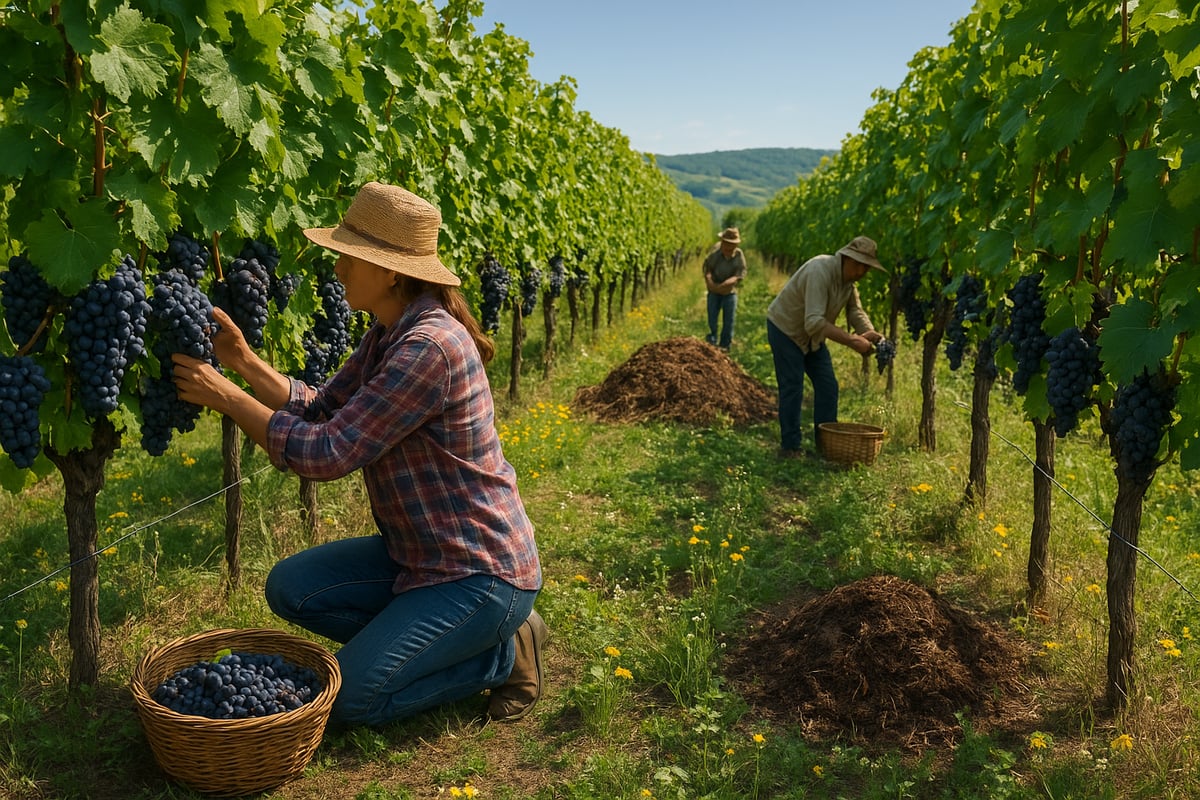
At its core, wine organic means the grapes are grown without synthetic pesticides, herbicides, or fertilizers. Instead, vineyards rely on natural methods to nurture the vines and soil. This commitment to purity starts in the vineyard and continues through to the cellar, ensuring every bottle reflects the land without unwanted chemicals.
But wine organic goes beyond just the vineyard. Winemakers limit additives and focus on gentle handling, aiming to let the grape’s true character shine. While some sulfites may be present, strict rules govern their use in certified organic wines.
Organic vs. Biodynamic vs. Natural Wines
Not all eco-friendly wines are created equal! Here’s a quick comparison to clear up the confusion:
| Style | Farming Practices | Winemaking Approach | Certification |
|---|---|---|---|
| Organic | No synthetic chemicals, non-GMO | Limited additives, low sulfites | USDA, EU, Ecocert |
| Biodynamic | Organic plus lunar cycles, compost teas | Holistic, minimal intervention | Demeter |
| Natural | Often organic or biodynamic grapes | Wild fermentation, no filtering | Rarely certified |
Wine organic is about what’s avoided in the vineyard, while biodynamic adds spiritual and ecological principles, and natural wine focuses on minimal intervention in the cellar.
Global Standards and Certifications
Across the globe, standards for wine organic have become stricter and more unified. In the US, the USDA Organic seal means grapes and winemaking methods meet federal requirements. The EU Organic label follows similar rules, but allows slightly more sulfites. Australia and other regions have their own certifiers, like Ecocert, but all require:
- Grapes grown without synthetic chemicals
- Non-GMO practices
- Limited approved additives
- Rigorous inspections and documentation
Look for these logos and seals on bottles—they’re your guarantee of authenticity.
Decoding Labels in 2026
Wine shopping in 2026 is easier, thanks to clearer labeling. Certified organic bottles feature official seals, plus QR codes linking to detailed production info. Watch for terms like “organically grown,” “certified organic,” or “made with organic grapes.” Remember, “natural wine” and “biodynamic” may appear, but only official seals confirm wine organic status.
Wine Organic Market Growth and Misconceptions
The wine organic movement is booming. In fact, the global market is projected to reach over $30 billion by 2033, reflecting consumer demand for purity and sustainability (Global Organic Wine Market Growth). Bottle Barn alone offered over 858 organic wines in 2024, and the trend is accelerating.
However, wine organic doesn’t always mean sulfite-free or additive-free. Some natural preservatives are permitted to ensure stability. Always check the label if you have sensitivities.
Pioneers in Wine Organic Production
Trailblazers like Frey Vineyards and Bonterra have set the standard for certified organic wines in the US. Their commitment to transparency and eco-friendly practices paves the way for new producers and inspires wine lovers to seek out wine organic options with confidence.
By understanding the meaning behind wine organic, you’re empowered to make choices that benefit both your palate and the planet.
The Sustainable Wine Movement: Beyond Organic
Sustainability has become a driving force in the wine organic world, shaping how vineyards operate and how consumers choose their bottles. While organic certification focuses on what goes into the vineyard and the bottle, the sustainable wine movement takes a broader, holistic approach. It considers not only the environment, but also social and economic impacts, making it a powerful shift for both producers and drinkers.
The Principles of Sustainable Viticulture
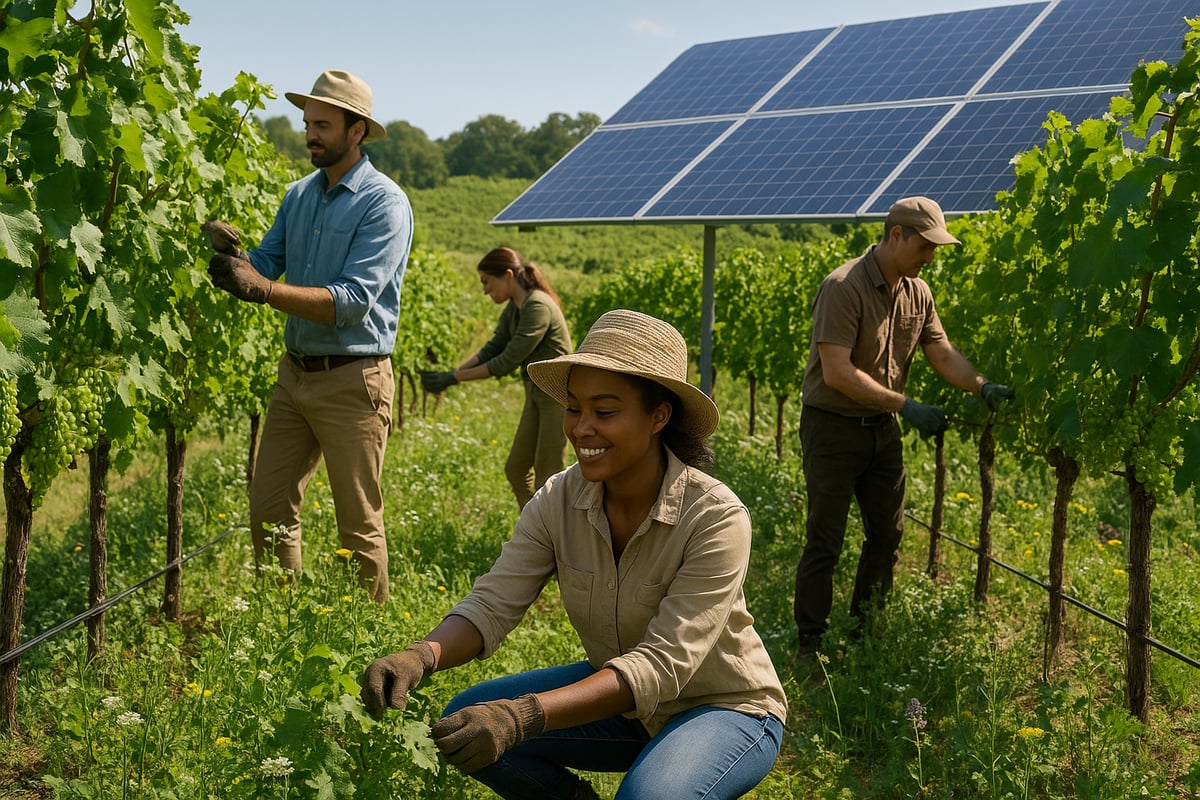
Sustainability in winemaking means looking beyond simply being wine organic. It’s about nurturing the land, supporting local communities, and ensuring long-term economic viability for producers. Sustainable vineyards often focus on:
- Water conservation, using drip irrigation and drought-resistant grape varieties
- Renewable energy, such as solar panels powering winery operations
- Biodiversity, planting cover crops and maintaining wild habitats for pollinators
- Soil health, through composting and reducing erosion
Dry farming, which relies solely on natural rainfall, is gaining traction as it preserves water and encourages deep-rooted vines. Cover crops not only prevent soil erosion but also attract beneficial insects for natural pest control.
Social responsibility is another pillar. Fair wages, safe working conditions, and community engagement are essential for a truly sustainable wine organic operation. Economic sustainability means supporting small and family-run vineyards, helping them thrive amid global competition.
For a deeper dive into practical vineyard protocols and regenerative techniques, explore the Sustainable Viticulture Practices shaping the future of wine organic farming. These innovations are making a real impact in 2026.
Certifications and Eco-Labels in 2026
With the rise of the sustainable wine organic movement, certifications and eco-labels have become more important than ever. Leading badges include Certified Sustainable, SIP Certified, Demeter for biodynamics, and even Vegan certifications. Each label has its own standards, but many overlap with wine organic certifications, especially around chemical use and soil care.
In 2026, new eco-labels are emerging, reflecting stricter sustainability benchmarks. Some wines now carry multiple certifications, signaling their commitment to both wine organic and broader sustainable practices. For example, Champagne Lelarge-Pugeot proudly displays both organic and biodynamic credentials, showing consumers their dual commitment.
Reading these labels can feel overwhelming. Look for clear language like "organically grown," "biodynamic," or "sustainable." Many bottles now feature QR codes or blockchain-enabled labels, offering full transparency from grape to glass. This helps consumers verify claims and avoid greenwashing, ensuring their wine organic choices are genuinely eco-friendly.
Measuring Impact: Environmental and Social Benefits
The sustainable wine organic movement is not just about labels, but measurable change. Data from 2026 shows significant reductions in chemical use, carbon emissions, and water consumption across certified vineyards. Many wineries have restored local ecosystems, supporting bees, butterflies, and native plants.
Let’s compare some of the benefits:
| Impact Area | Organic Only | Sustainable Practices |
|---|---|---|
| Chemical Use | Reduced | Minimized, plus soil health focus |
| Water Usage | Lower | Optimized; dry farming, recycling |
| Social Impact | Limited | Fair labor, community investment |
| Economic Support | Small producers | Small and medium, plus regional economies |
Case studies from Europe and the US show how different regions are adapting. European initiatives often focus on biodiversity and tradition, while US projects emphasize technology and community outreach.
Consumer demand is surging. In 2026, surveys reveal that more people prioritize sustainability over wine organic certification alone, seeking bottles that deliver broader environmental and social value. The industry is also making strides toward inclusion, with more women and BIPOC winemakers leading sustainable projects and shaping a more diverse future.
Organic Winemaking: From Vineyard to Bottle
Ever wondered what truly sets wine organic apart from conventional bottles? The journey from vineyard to bottle is a fascinating blend of tradition, innovation, and a deep respect for nature. Let’s dig into the real-world practices that make wine organic a unique and conscious choice in 2026.
Vineyard Practices for Organic Grapes
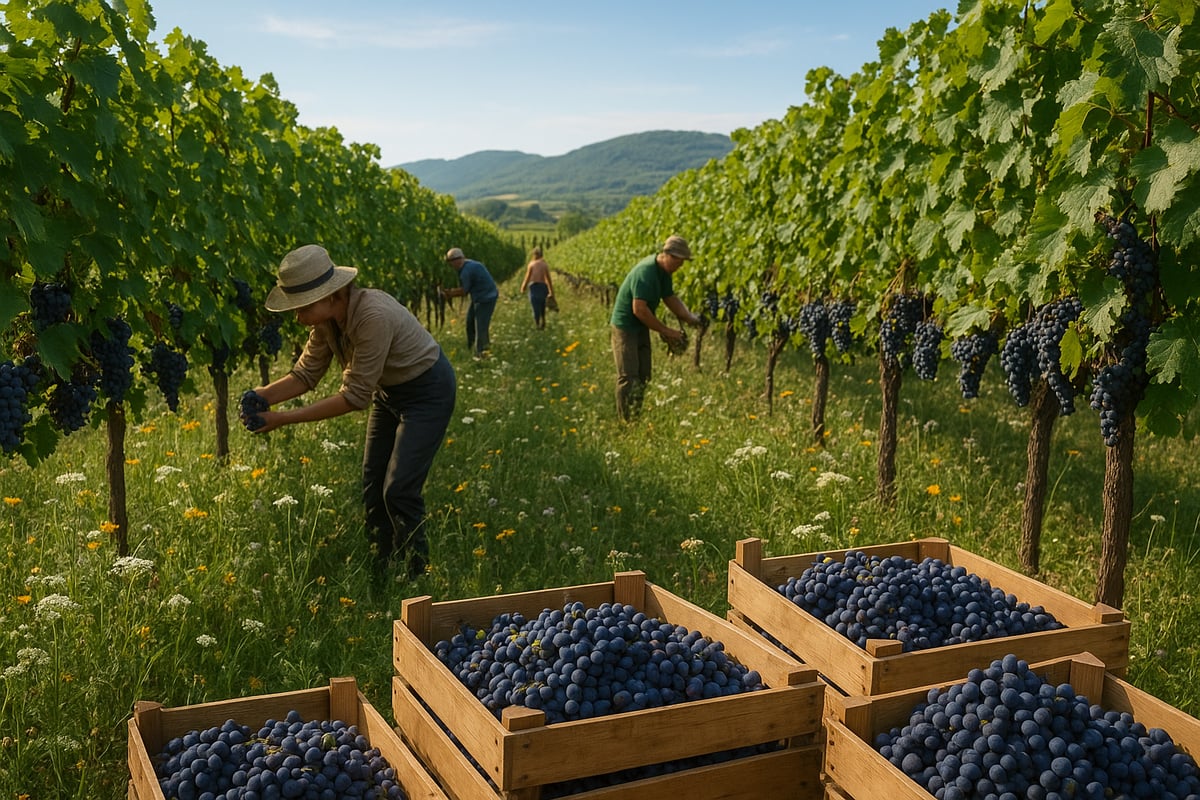
The heart of every wine organic story begins in the vineyard. Organic grape growing means saying goodbye to synthetic pesticides, herbicides, and fertilizers. Instead, growers focus on building healthy soil with compost, green manure, and natural pest control methods like introducing beneficial insects. This commitment to soil health helps the vines thrive and brings out the true character of the grapes.
Growers must also avoid genetically modified organisms (GMOs) and choose grape varieties that naturally resist disease. Some vineyards, like Domaine Bousquet in Argentina, have become icons in the world of wine organic by pioneering these sustainable methods. They rely on manual harvesting, which allows careful selection of the best clusters and reduces damage to both grapes and vines.
Water conservation is another key focus. Many organic vineyards use cover crops to prevent erosion and retain moisture, creating a biodiverse ecosystem where pollinators flourish. The result? Grapes that reflect their terroir and contribute to a healthier planet. If you’re curious to dive deeper into these sustainable methods, Sustainable wine education resources offer a wealth of information for every level of wine organic enthusiast.
Organic Winemaking Techniques
Once the grapes are harvested, the philosophy of wine organic continues in the cellar. Winemakers embrace minimal intervention, letting the grapes express themselves through native yeast fermentation. This approach means fewer additives and a focus on purity. However, it’s important to note that organic doesn’t always mean sulfite-free. Regulations allow for low levels of sulfites, but many producers create “no added sulfite” options for those seeking the cleanest experience.
Aging vessels matter, too. Some winemakers use traditional oak barrels for depth and complexity, while others prefer stainless steel or concrete tanks for a fresh, vibrant profile. Filtration and clarification are done with natural, vegan-friendly agents like bentonite clay, making wine organic accessible to a broader audience.
Natural wine producers take things a step further, often skipping filtration and letting the wine evolve naturally in bottle. These choices create expressive, sometimes unpredictable wines that are as unique as the vineyards they come from. The focus is always on letting the land and fruit shine, making wine organic a true reflection of its origins.
Taste, Quality, and Shelf Life
What can you expect when you pour a glass of wine organic? The flavors are often vibrant, with a strong sense of place. You might notice more pronounced fruit, lively acidity, and a finish that speaks to the vineyard’s unique soil and climate. These wines are celebrated for being terroir-driven and expressive, offering a tasting experience that’s both pure and memorable.
Shelf life is a common question for wine organic, especially those with minimal sulfites. Generally, these wines are best enjoyed young, though some age beautifully with proper storage. Keep them cool, away from light, and enjoy sooner rather than later for the freshest taste.
Consumer perceptions of quality have shifted dramatically, with organic wines winning top honors at competitions like the Harvest Fair and the San Francisco Chronicle Wine Competition. In premium categories, wine organic is gaining market share, proving that sustainability and excellence can go hand in hand. For those seeking authenticity, these bottles offer both peace of mind and palate pleasure.
Exploring Sustainable Wine Choices in 2026: Styles, Regions, and Trends
Wine organic choices have never been more exciting than in 2026. The world of sustainable wines is bursting with flavor, diversity, and innovation. Whether you’re a longtime enthusiast or just starting your eco-friendly journey, there’s a bottle for every palate and occasion.
Let’s explore how wine organic options are reshaping the shelves, from classic reds and whites to trending natural and vegan styles, and discover the regions leading this green revolution.
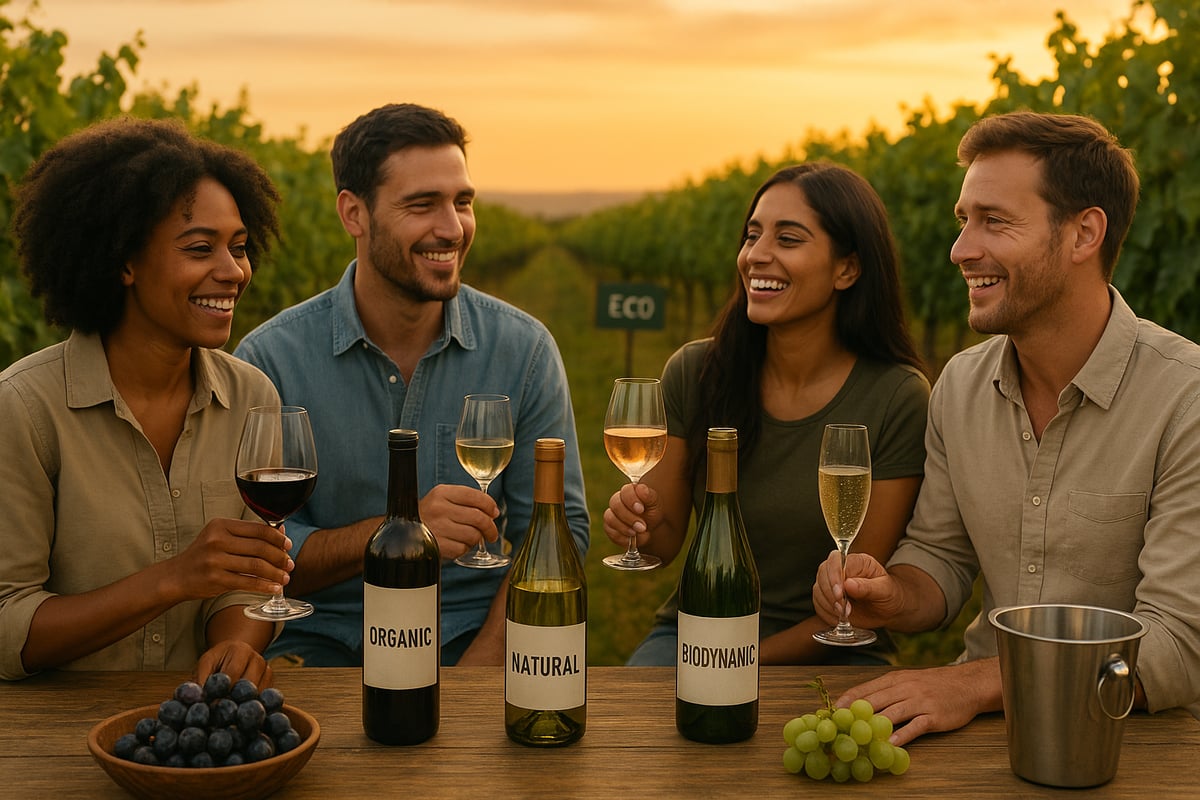
Red, White, Rosé, and Sparkling: Organic Options for Every Palate
The selection of wine organic bottles spans every style you can imagine. Reds like Cabernet Sauvignon and Pinot Noir, grown organically in Napa, Sonoma, and the Loire Valley, are celebrated for their vibrant fruit and pure expression of terroir. Chardonnay and Sauvignon Blanc, organically farmed in regions like California and South America, shine with crisp acidity and layered complexity.
Here’s a quick snapshot of popular wine organic varietals and regions:
| Style | Varietals | Leading Regions |
|---|---|---|
| Red | Cabernet, Pinot Noir | California, Bordeaux, Tuscany |
| White | Chardonnay, Sauv Blanc | Loire, Marlborough, Sonoma |
| Rosé | Grenache, Syrah | Provence, Languedoc, Spain |
| Sparkling | Chardonnay, Pinot Noir | Champagne, Italy, California |
Rosé and sparkling wine organic options continue to grow in popularity, with Champagne Lelarge-Pugeot pioneering certified organic bubbles and Italian Proseccos adopting sustainable practices. Dessert and fortified organic wines are also making waves, offering eco-friendly choices for sweet wine lovers.
What’s behind the unique taste of these bottles? Organic vineyards focus on healthy soils and biodiversity, resulting in expressive wines that highlight the land’s character. Notable producers like Tenuta Delle Terre Nere and Bonterra are recognized for their commitment to quality and sustainability.
Ready to explore or purchase your own wine organic selections? Many specialty retailers now let you shop organic and sustainable wines easily, making it simple to enjoy eco-conscious bottles at home.
Emerging Trends: Natural, Biodynamic, and Vegan Wines
The wine organic movement in 2026 is more than just pesticide-free grapes. It’s a crossroads of natural, biodynamic, and vegan wines, each offering a fresh perspective on sustainability.
Natural wines are crafted with wild fermentation, minimal additives, and little to no filtration. These wine organic styles often taste lively, slightly funky, and deeply connected to their origins. The natural wine movement is gaining momentum, with more producers experimenting with spontaneous fermentation and hands-off cellar work.
Biodynamic wines go further, following lunar cycles and holistic farming methods. Certified by Demeter, these wine organic bottles are seen as the gold standard for eco-conscious drinkers. Biodynamic vineyards, such as those in Alsace and California, use herbal teas, compost preparations, and livestock integration to build healthy ecosystems.
Vegan wine organic options are also on the rise. Traditional fining agents like egg whites are replaced with plant-based alternatives, making these wines suitable for everyone. Labels now clearly state “vegan,” and the market for these wines is expanding rapidly.
In 2026, the lines between wine organic, biodynamic, and natural are blurring. Consumers are eager for transparency and authenticity, fueling growth in vegan-friendly and wild-fermented selections. This trend means more diverse, exciting bottles for every kind of wine lover.
How to Choose and Enjoy Sustainable Wines: A Practical Guide
Choosing a wine organic bottle in 2026 is easier than ever, but knowing what to look for can make all the difference. With a growing range of eco-labels and sustainable options, navigating the shelves can feel overwhelming. Let’s break it down with practical tips so you can confidently select, enjoy, and support wine organic choices that align with your values.
Reading Labels and Certifications Like a Pro
Understanding wine organic labels is the first step to making an informed choice. Look for terms like "organically grown," "natural wine," "biodynamic," or "low sulfite" on the front and back labels. Recognized certifications, such as USDA Organic or EU Organic, guarantee that the wine organic grapes were grown without synthetic chemicals.
In 2026, label innovations make it easier than ever to verify authenticity. Many bottles now feature QR codes or blockchain technology, offering detailed traceability right from your phone. Be cautious of greenwashing—some brands use buzzwords without proper certification. Compare US and EU organic wine labels, as each region may have different requirements and logos. Authentic wine organic bottles will always display clear, verifiable certification marks.
Shopping for Organic and Sustainable Wines
Finding wine organic selections is more convenient thanks to specialty wine shops, reputable online retailers, and curated subscription clubs. Many supermarkets and boutique stores now dedicate entire sections to sustainable and wine organic options. Prices range from affordable everyday picks to premium bottles, so there’s something for every budget.
If you want a steady supply of eco-friendly wines delivered to your door, consider joining a wine club with organic options. These clubs often highlight new producers and diverse regions, expanding your palate beyond the usual favorites. When dining out, don’t hesitate to ask your server about wine organic choices or sustainable lists—restaurants are responding to consumer demand by featuring more of these selections.
Storing and Serving Organic Wines
Proper storage is crucial for preserving the quality of wine organic bottles, especially those with low or no added sulfites. Keep bottles in a cool, dark place with stable humidity to prevent spoilage. Natural and wine organic wines are often more sensitive, so aim to consume them sooner rather than later.
When serving, decant young reds to bring out vibrant aromas. Use appropriate glassware to enhance the expressive flavors typical of wine organic varieties. Pairing wine organic selections with food can be both classic and creative—think fresh salads with crisp whites or grilled vegetables with earthy reds. Hosting a sustainable wine tasting? Encourage guests to share their impressions and favorite pairings.
Supporting Diversity and Inclusion in Sustainable Wine
The wine organic movement thrives when it embraces diversity and inclusion. Seek out wines produced by women, BIPOC, and LGBTQ+ winemakers—many of whom are leading the way in sustainable practices. Your purchasing choices can drive positive change and help underrepresented voices gain recognition in the wine organic space.
Look for initiatives such as scholarships, mentorship programs, and community partnerships supporting diversity in the industry. In 2026, more wine organic brands are proudly showcasing their commitment to equity, from vineyard to bottle. By choosing these wines, you become part of a movement shaping a more inclusive, sustainable future for wine lovers everywhere.
The Future of Organic and Sustainable Wine: Innovations and Predictions for 2026
What will the world of wine organic look like in 2026? The landscape is changing rapidly, with technology, climate adaptation, and shifting consumer values driving the next chapter for sustainable wine.
Technological Advances and Innovation
Technology is revolutionizing wine organic production. Precision viticulture and AI-driven vineyard management help growers monitor soil health, optimize irrigation, and predict disease outbreaks. This innovative approach reduces waste and supports eco-friendly goals. For a deeper dive into how artificial intelligence is transforming the industry, check out AI in Sustainable Winemaking.
Eco-friendly packaging is also gaining traction, with lightweight bottles, recycled materials, and compostable closures becoming mainstream. These innovations not only lower carbon footprints but also appeal to eco-conscious drinkers.
Climate Change Adaptation and Regenerative Practices
As climate change accelerates, wine organic producers are adapting quickly. They are planting drought-resistant grape varieties and experimenting with regenerative agriculture, which restores soil health and biodiversity. Cover crops, no-till farming, and integrated pest management are now standard practices in leading vineyards.
These changes help ensure that organic and sustainable wines can thrive in unpredictable weather while protecting the environment for future generations.
Regulatory Changes and Global Certification Trends
Regulations for wine organic labeling and certification are evolving. By 2026, more countries are harmonizing their standards, making it easier for producers to export and for consumers to trust labels. New certifications emphasize not just organic practices but also social responsibility and transparency.
QR codes and blockchain technology are being used on labels to provide detailed information about a wine’s origins, farming methods, and certifications, helping buyers make informed choices.
Challenges and Opportunities for Producers and Consumers
Despite progress, wine organic producers face challenges. Costs for certification and new technology can be high, especially for small wineries. Scaling up production while maintaining quality and sustainability is a delicate balance.
Education remains key. Both industry professionals and consumers need clear, accessible information about what makes a wine organic or sustainable. The good news? Opportunities abound in eco-conscious tourism, experiential retail, and direct-to-consumer sales.
Innovative packaging methods include:
- Refillable glass bottles
- Bag-in-box formats
- Biodegradable corks
These not only reduce waste but also create new ways to enjoy wine organic with less environmental impact.
The Role of Sustainability Awards and Wine Events
Recognition matters in the wine organic world. Sustainability competitions and awards are raising the profile of eco-friendly producers. Winning such honors helps wineries stand out and inspires others to adopt greener practices.
Wine events are also evolving. Many now spotlight organic selections, connecting passionate consumers with trailblazing winemakers. For those seeking real-world experiences, wine events featuring organic selections offer a chance to taste and learn firsthand.
In 2026, the future of wine organic is bright, driven by innovation, resilience, and a shared commitment to the planet.
You’ve just explored how organic and sustainable wines are changing the way we sip and support the world around us—pretty inspiring, right? If you’re feeling curious to try eco-friendly wines for yourself, why not dive in and discover bottles made with care for the earth, crafted by diverse winemakers who are shaping the future of wine? There’s a whole world of flavor and purpose waiting for you, and it’s never been easier to make your wine choices count. Ready to explore your next sustainable favorite? Shop Today
Leave a comment
Please note, comments must be approved before they are published