Wine Beer Shop Guide: Expert Insights for 2026 Success
Ready to thrive in the rapidly changing world of wine beer shop ownership in 2026? The market is booming, and opportunities have never been more exciting.
This guide is packed with expert insights, practical strategies, and the latest trends to help your wine beer shop stand out and succeed. Whether you are launching a new store or looking to give your existing shop a boost, you will find actionable advice tailored for today’s competitive landscape.
Inside, you will discover step-by-step tips on shop setup, inventory planning, legal essentials, marketing, digital innovation, and delivering an unforgettable customer experience. Let’s unlock your path to wine beer shop success.
Understanding the 2026 Wine & Beer Retail Landscape
The wine beer shop industry is heading into 2026 with exciting momentum. Have you ever wondered what it takes to stand out in this fast-evolving market? Let’s uncover the trends, projections, and strategies shaping the future of wine beer shop success.
Market Trends and Growth Projections
The global wine beer shop market is on a remarkable growth trajectory through 2026. Experts project the global wine market will reach over $450 billion, with a CAGR of 4.3 percent, while the beer segment exceeds $700 billion with a 3.2 percent CAGR. North America and Asia-Pacific remain top-performing regions, but emerging markets in Africa and South America are quickly gaining ground.
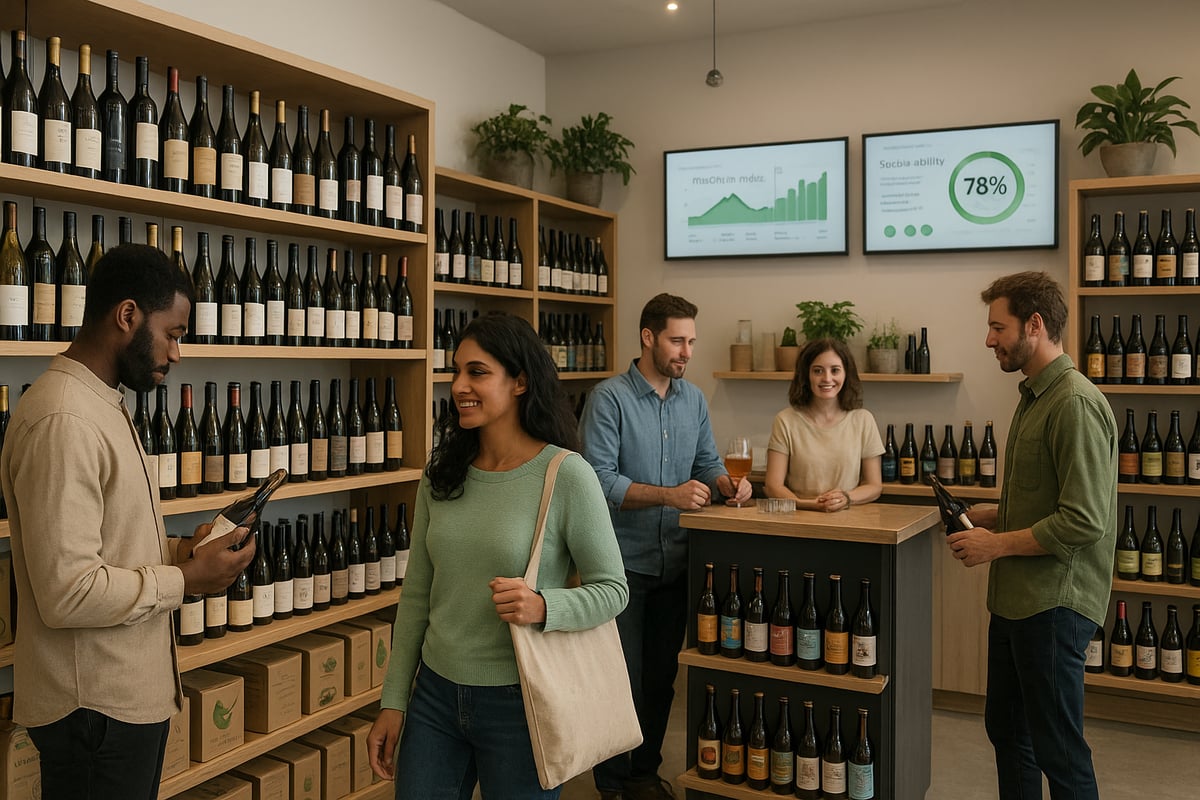
What are the key drivers? Customers are trading up, seeking premium, craft, and locally sourced selections. The rise of experiential retail is reshaping the wine beer shop model. Many shops now blend on-premise tastings with off-premise sales, creating dynamic, hybrid experiences for visitors.
Another shift is the surge in health-conscious and low or no-alcohol products. Gen Z and Millennials, who prioritize wellness and unique experiences, are leading this shift. Diversity is increasing, with more women and minority consumers influencing purchasing decisions than ever before.
Sustainability is no longer optional. Shoppers want ethically sourced bottles and eco-friendly packaging. According to recent reports, 67 percent of wine beer shop customers prefer brands with visible commitments to sustainability and social impact.
Major 2026 Market Stats
| Segment | Market Value (2026) | CAGR | Top Regions |
|---|---|---|---|
| Wine | $450B+ | 4.3% | N. America, Asia-Pac |
| Beer | $700B+ | 3.2% | Europe, Africa |
| Low/No-Alc Beverages | $35B+ | 7.5% | North America, Europe |
Forward-thinking wine beer shop owners are thriving by embracing these trends. For a deeper dive into climate change, sustainability, and tech shaping the industry, check out Wine & Spirits Trends to Watch in 2026.
Competitive Analysis and Differentiation
Competition is fierce in the wine beer shop landscape. National chains, supermarkets, and online platforms are expanding their reach. Yet, independent retailers are carving out loyal communities by focusing on unique selling propositions.
What sets a standout wine beer shop apart? Personalization, curated product selections, and immersive in-store events make a difference. Some shops specialize in rare, organic, or minority-owned brands. Others build loyalty by hosting tastings, workshops, and collaborating with local breweries or wineries.
Consider these real-world examples:
- Urban wine beer shop owners partner with local chefs for exclusive pairing dinners.
- Suburban shops create loyalty clubs and seasonal subscription boxes.
- Community-focused retailers sponsor neighborhood events and support local causes.
Engagement and authenticity drive success. The best wine beer shop operators listen to their customers, adapt quickly, and form partnerships that resonate. By focusing on service, ethics, and innovation, your shop can become a destination, not just a store.
Step-by-Step Guide: Launching a Successful Wine & Beer Shop in 2026
Thinking about opening a wine beer shop in 2026? Success today means more than just stocking shelves. It is about creating an experience, mastering compliance, and building a loyal community. Here is how to launch your shop from the ground up and stand out in a vibrant, competitive market.
Step 1: Market Research & Location Selection
Before you sign a lease, dive deep into your local market. Analyze neighborhood demographics, study competitors, and gauge demand for specialty products. Is your ideal customer a craft beer enthusiast, a wine explorer, or both?
Scout for locations in urban hotspots, bustling suburbs, or even rural towns with growing foodie scenes. Consider spaces with high visibility, easy parking, and proximity to restaurants or gourmet grocery stores.
Here is a quick checklist:
- Map local competitors
- Assess foot traffic at different times
- Review zoning laws for alcohol sales
- Evaluate potential for community events
Choosing the right spot is the foundation for a thriving wine beer shop.
Step 2: Licensing, Compliance & Legal Essentials
Navigating alcohol laws is complex but crucial. Every wine beer shop must comply with federal, state, and local regulations, which can vary widely. Start by researching the licenses required for retail, on-premise tastings, or delivery.
Common pitfalls include missing application deadlines, misclassifying your shop type, or neglecting age verification. To stay ahead, keep a compliance calendar and work closely with legal counsel or consultants.
Train your team to check IDs and handle sensitive situations responsibly. Remember, a single misstep can jeopardize your license and reputation. Build your wine beer shop on a foundation of trust and legal know-how.
Step 3: Shop Design & Experience Planning
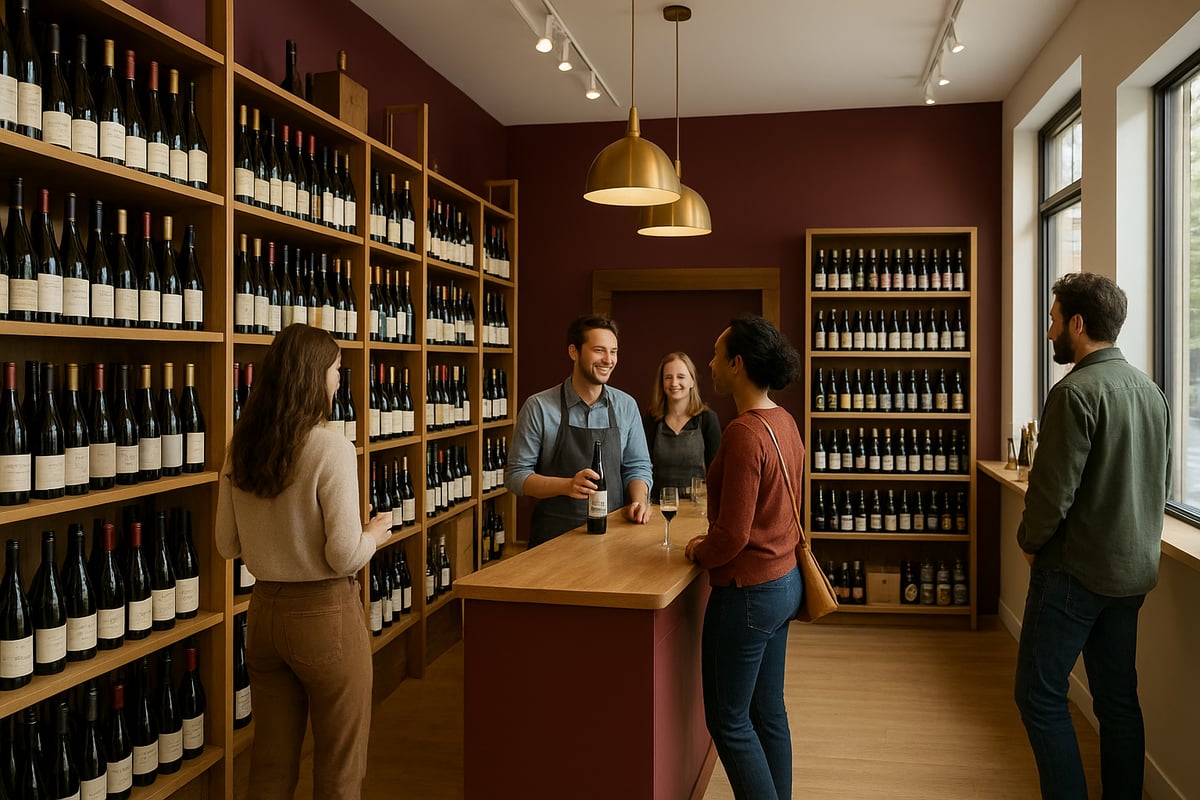
Your shop’s layout sets the tone for every visit. Think beyond shelves—design tasting nooks, event corners, or cozy seating that invites exploration. A wine beer shop that feels welcoming encourages customers to linger and discover new favorites.
Prioritize accessibility with wide aisles and clear signage. Use branded elements—like color schemes, music, and lighting—to express your shop’s personality.
Consider these experience boosters:
- Rotating tasting events
- Interactive displays for seasonal picks
- Art from local creators
- Safe, well-lit entryways
A thoughtfully designed wine beer shop becomes a local destination, not just a store.
Step 4: Inventory Strategy & Supplier Relationships
Building your product mix is both art and science. Balance crowd-pleasers with unique, trending, or local finds. Analyze sales data to predict demand and rotate seasonal releases to keep your shelves exciting.
Forge strong relationships with distributors, local breweries, and wineries. This opens doors to exclusive allocations and insider insights. Researching top wine trends, such as those featured in the California Cabernet Wines Guide, can help you curate a selection that delights your customers and keeps them coming back.
A successful wine beer shop adapts quickly, responding to both customer feedback and emerging trends.
Step 5: Staffing & Training for Excellence
Your team is the heartbeat of your wine beer shop. Hire people who love the industry and want to learn. Prioritize attitude, curiosity, and communication skills over experience alone.
Invest in ongoing training—host tastings, share product updates, and encourage staff to earn certifications. Create incentives for top performers, like bonuses or educational trips.
Retention matters. Celebrate milestones, foster teamwork, and involve your staff in decision-making. When your team feels valued, your wine beer shop will reflect that energy, making every customer feel welcome.
Inventory Management & Product Selection for 2026
In the fast-moving world of wine beer shop retail, inventory management can make or break your bottom line. Choosing the right mix of products, using smart technology, and pricing strategically are essential for thriving in 2026.
Curating a Winning Product Mix
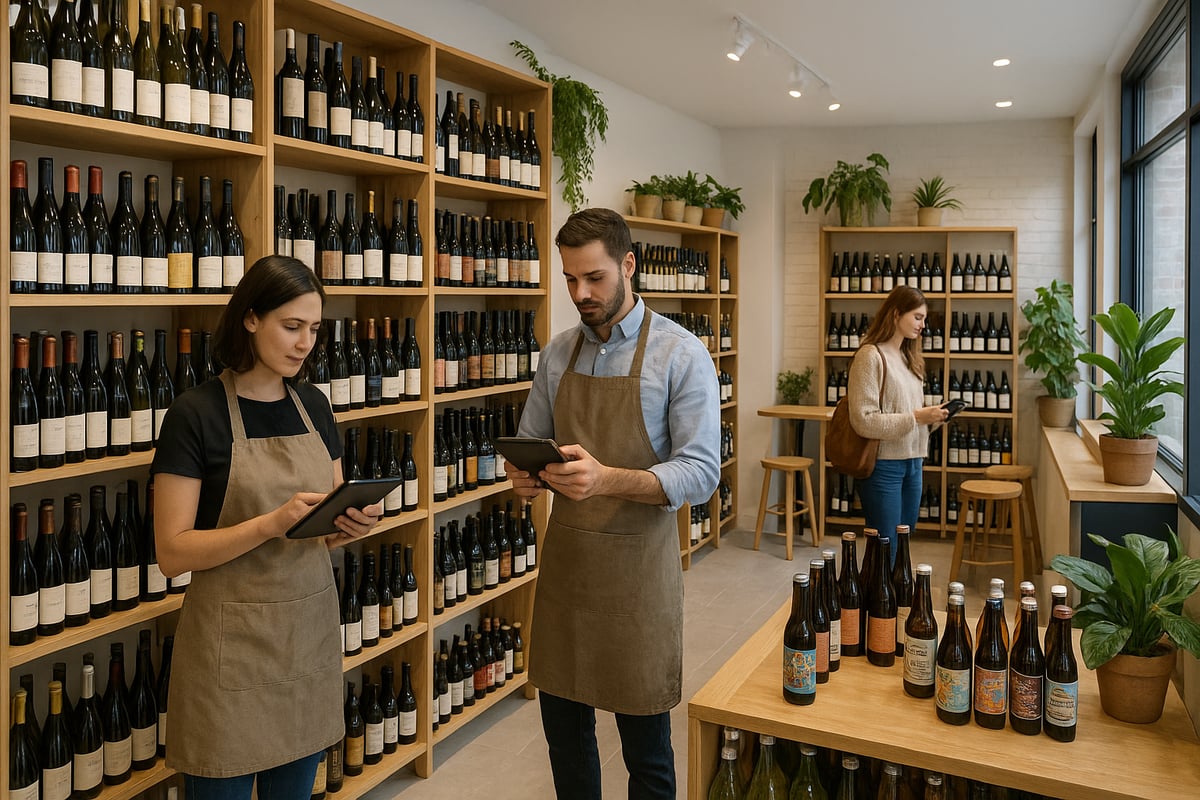
Building a standout wine beer shop starts with curating a diverse, appealing selection. Shoppers in 2026 crave variety, so balance classic wines, craft beers, and trending alternatives like ciders, ready-to-drink cocktails, and non-alcoholic options.
Use data from sales analytics and industry trend reports to make informed decisions. Rotate in seasonal and limited-edition releases to keep regulars engaged and attract new faces. Sustainability is a top priority, so focus on organic, low-intervention, and eco-friendly brands.
Diversity matters more than ever. Customers want to support businesses that reflect their values. Stocking bottles from minority-owned and women-led producers can set your wine beer shop apart. For inspiration, explore collections like Wines from Women & Minority Producers.
Keep your shelves fresh by collaborating with local and craft producers. This not only supports your community but also gives your shop a unique edge.
Technology in Inventory Management
Smart technology is a game changer for any wine beer shop. Modern POS systems do more than process sales—they track inventory in real time, alert you to low stock, and help optimize ordering. Automated reordering tools can save hours each week and ensure you never miss a hot trend or run out of bestsellers.
Consider using inventory dashboards that provide visual insights into your sales patterns. These tools can highlight which products are flying off the shelves and which need a promotional push. For example, some shops have reduced waste by 20 percent and improved margins by embracing inventory automation.
Here's a quick table showing tech benefits:
| Tech Tool | Benefit |
|---|---|
| POS with inventory | Real-time stock updates |
| Automated reordering | Prevents stockouts, saves time |
| Analytics dashboard | Informs product decisions |
By integrating technology into your wine beer shop operations, you boost efficiency and make smarter choices for your customers.
Pricing Strategies for Profitability
Pricing can be the secret weapon for your wine beer shop. Start by researching your competitors to understand market rates and find your sweet spot. Use competitive pricing for everyday favorites, but don't shy away from premium pricing on rare or exclusive bottles.
Bundling products—think wine and cheese pairings or craft beer sampler packs—adds value and encourages larger purchases. Launching loyalty programs or offering dynamic pricing for special events can drive repeat business and keep your regulars coming back.
Keep your pricing strategy flexible. Monitor sales data closely and adjust as trends shift throughout the year. With a thoughtful approach, your wine beer shop can maximize profits while delivering value customers notice.
Marketing & Customer Engagement Strategies
Staying ahead in the competitive world of wine beer shop ownership requires a blend of creative marketing and personal customer engagement. As consumer habits evolve, successful shops use a mix of digital and in-store strategies to build lasting relationships and drive sales.
Digital Marketing Essentials
A strong digital presence is crucial for every wine beer shop in 2026. Start with an SEO-optimized website that showcases your unique offerings and makes online shopping easy. Engage your audience on Instagram, TikTok, and Facebook, sharing behind-the-scenes content, product spotlights, and event invites. Email marketing remains powerful. Use newsletters to share exclusive offers or highlight seasonal picks.
Stay informed about the latest alcohol marketing trends in 2026 to leverage premiumization and sustainability messaging. These trends can set your wine beer shop apart online. Consistency across platforms builds trust and keeps your brand top of mind.
In-Store Events & Community Building
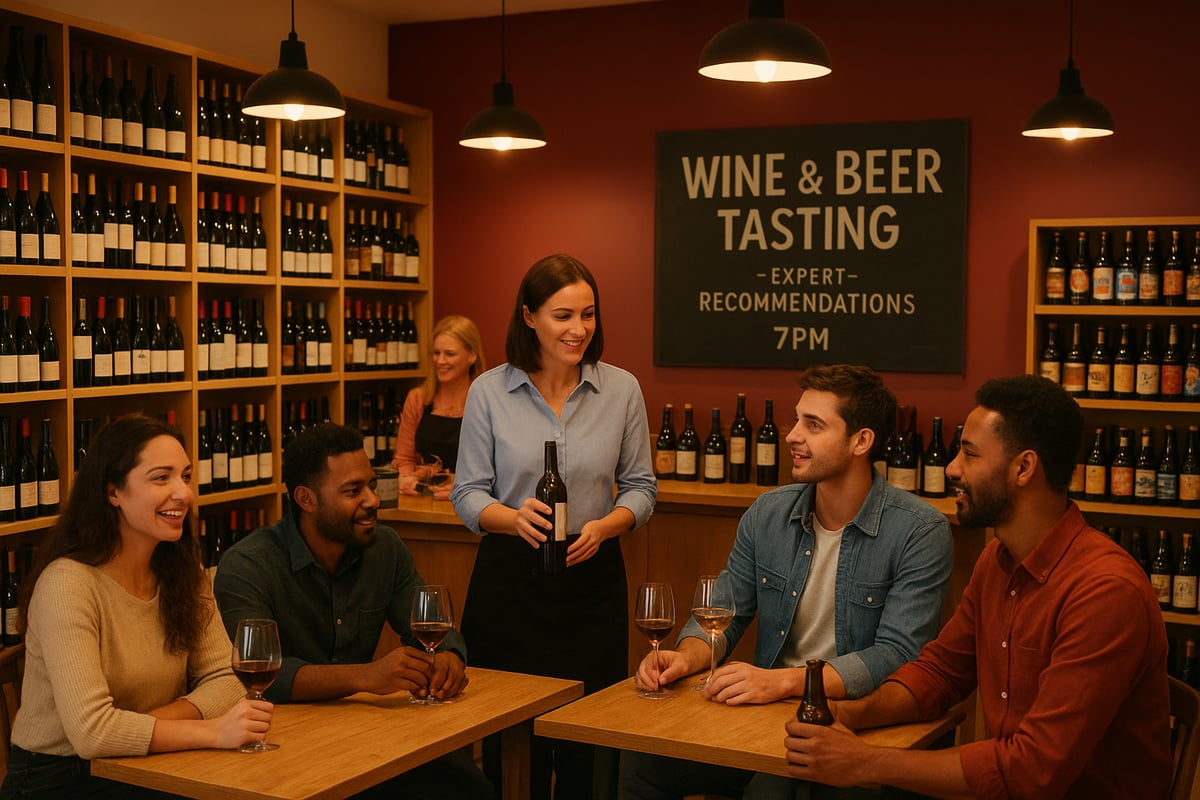
Nothing beats the buzz of a well-planned event. Host wine and beer tastings, food pairing nights, and educational workshops to draw crowds. Collaborate with local chefs, breweries, and wineries for unforgettable experiences. These efforts turn your wine beer shop into a community hub.
Loyalty programs and membership clubs reward repeat visits and foster a sense of belonging. Offer members early access to limited releases or exclusive invites. Small touches, such as handwritten thank-you notes or birthday discounts, make customers feel valued and eager to return.
Leveraging Customer Reviews & Word of Mouth
Word of mouth is gold for any wine beer shop. Encourage happy customers to leave reviews on Google, Yelp, and social platforms. Respond promptly to feedback—both positive and negative—to show you care about their experience.
Turn first-time buyers into lifelong fans by following up with personalized messages or special offers. Feature glowing testimonials in your marketing materials. The more your customers talk about your wine beer shop, the more your reputation grows.
Data-Driven Marketing Decisions
Successful wine beer shop owners use data to fine-tune their marketing. Implement a CRM to track customer preferences, purchase history, and engagement. Use these insights to personalize promotions and recommend products that match individual tastes.
Measure the ROI of campaigns using analytics tools. Adjust your tactics based on what works best, whether it’s email open rates, event attendance, or social media engagement. Data-driven decisions help your wine beer shop stay agile and responsive in a fast-changing market.
Digital Transformation: E-Commerce, Delivery, and Tech Trends
The digital revolution is reshaping every wine beer shop, opening new doors for growth and connection. From seamless online ordering to AI-driven recommendations, technology is changing how shops serve their customers. Are you ready to future-proof your wine beer shop for 2026 and beyond?
The Rise of Online Wine & Beer Sales
Online sales have exploded for the wine beer shop sector, with global e-commerce alcohol sales projected to keep climbing through 2026. Customers now expect intuitive online platforms, mobile-friendly designs, and secure payment methods. The most successful shops blend digital convenience with in-store charm, offering features like click-and-collect, fast local delivery, and even nationwide shipping.
According to industry experts, omnichannel strategies are essential for thriving in this market. For actionable insights into integrating in-store and online experiences, check out the 9 Critical Alcohol Ecommerce Trends 2025 Retail Guide. As more consumers search for their favorite bottles online, every wine beer shop needs a robust digital presence to stay competitive.
A quick comparison of must-have e-commerce features:
| Feature | Customer Benefit | Shop Advantage |
|---|---|---|
| Mobile ordering | Convenience | Higher conversion |
| Click-and-collect | Instant gratification | Increased footfall |
| Delivery tracking | Transparency | Fewer support calls |
Embracing Technology for Operational Efficiency
Technology is not just about sales, it is transforming how every wine beer shop operates behind the scenes. Inventory and sales analytics dashboards provide real-time insights, helping you optimize stock, reduce waste, and boost margins. AI-powered tools can recommend products to customers, personalize experiences, and even host virtual tastings, making your shop stand out.
Automation streamlines tasks, freeing up staff for customer engagement. Imagine having an automated system that reorders popular items or flags low stock before it becomes an issue. Shops leveraging these tools report higher efficiency and happier customers, proving that digital transformation is not a trend, it is a necessity for the modern wine beer shop.
Compliance and Age Verification in Online Sales
As more wine beer shop owners move sales online, compliance becomes even more critical. Strict regulations require shops to verify customer age and ensure secure transactions at every step. Digital age verification tools, such as ID scanning and secure checkout processes, help protect your business while delivering a seamless experience for buyers.
Legal compliance does not just prevent fines, it builds trust with your customers. Leading wine beer shop platforms now integrate fraud prevention and compliance checks directly into their e-commerce workflows. By prioritizing these tools, you safeguard your shop and create a secure, reliable shopping environment that keeps customers coming back.
Elevating Customer Experience & Building Brand Loyalty
Building a standout wine beer shop in 2026 means going beyond great inventory. Today’s customers want a personalized journey, memorable in-store moments, and a sense of connection. Let’s dive into how you can turn every visit to your wine beer shop into a lasting relationship.
Personalization and Service Excellence
Personalization is the heartbeat of a successful wine beer shop. Imagine a regular customer walks in and your staff remembers their favorite pinot noir or recommends a new craft beer based on their previous picks. This level of service makes your shop unforgettable.
Train your team to ask thoughtful questions and share stories behind each bottle. Invest in ongoing education so staff can confidently guide both new and seasoned enthusiasts. Boost loyalty with VIP programs, curated subscription boxes, or seasonal recommendations. For inspiration on engaging customers with timely selections, explore the Best Holiday Wine Picks 2025 guide.
Every interaction is a chance to create delight and keep your wine beer shop top-of-mind.
Creating Memorable In-Store Experiences
A wine beer shop should be more than shelves and checkout counters. Curate an inviting ambiance with soft lighting, music that matches your brand, and sensory touches like fresh flowers or artisan snacks.
Host tastings, pairing dinners, or themed nights to get customers excited about exploring new flavors. Check out the Wine Tasting Events Collection for fresh event ideas that drive foot traffic and foster lasting memories.
Exclusive member events and private tastings turn casual shoppers into loyal fans. When people enjoy their time in your wine beer shop, they’ll want to return again and again.
Fostering Inclusivity and Community
An inclusive wine beer shop welcomes everyone, from curious newcomers to seasoned connoisseurs. Showcase products from minority-owned, women-led, and local producers to reflect the diversity of your community.
Support local causes by partnering with charities, hosting fundraisers, or spotlighting community stories. Collaborate with neighborhood businesses to co-host events or cross-promote products. These efforts show your wine beer shop is more than a business, it’s part of the local fabric.
The more your shop feels like a community hub, the deeper your connections with customers will grow.
Measuring and Improving Customer Satisfaction
To build lasting loyalty, you need to know what your wine beer shop is doing well—and where you can improve. Use digital surveys, QR codes at checkout, or quick feedback prompts via email to gather honest opinions.
Analyze the data to spot trends or recurring suggestions. Share updates with your team and act on feedback, whether it’s expanding your craft beer range or adding more seating for tastings.
When customers see their voices matter, they feel valued and are more likely to recommend your wine beer shop to friends and family.
Sustainability, Ethics, and the Future of Wine & Beer Retail
Sustainability and ethics are reshaping the wine beer shop landscape for 2026. Owners and teams who prioritize eco-friendly operations, ethical sourcing, and future-readiness will not only attract loyal customers but also stand out in a crowded market. Let’s explore how your wine beer shop can lead the way.
Eco-Friendly Operations and Packaging
Eco-conscious shoppers are driving real change in wine beer shop operations. Smart retailers are reducing waste by introducing recycling stations, reusable tote bags, and bottle return or refill programs. Switching to sustainable packaging, such as compostable carriers or lightweight glass, is another practical step.
Sourcing inventory from vineyards and breweries with eco-certifications boosts your shop’s appeal. Highlighting these producers in your displays can educate customers and encourage greener choices. Even small actions, like energy-efficient lighting or digital receipts, add up over time.
- Offer refillable growlers and encourage returns
- Prioritize suppliers with green certifications
- Use recycled or compostable packaging materials
Building a reputation for eco-friendly practices sets your wine beer shop apart and keeps your community coming back.
Ethical Sourcing and Social Responsibility
Modern consumers expect their favorite wine beer shop to reflect shared values. Prioritizing partnerships with minority-owned, women-led, and local producers supports industry diversity and brings unique flavors to your shelves.
Getting involved in community initiatives, like local food drives or charity tastings, builds trust and goodwill. Customers appreciate shops that give back or sponsor events supporting important causes.
Ethical sourcing also means transparency. Share the stories behind your products, from family-run vineyards to breweries with fair labor practices. This personal touch deepens customer loyalty.
- Feature minority and women-led brands
- Host charity events or fundraisers
- Educate staff and customers on your sourcing principles
A wine beer shop committed to social responsibility inspires confidence and repeat business.
Future-Proofing Your Shop
The wine beer shop industry is evolving fast. To stay ahead, invest in ongoing education for your team. Attend industry workshops, subscribe to trend reports, and join local business networks.
Be proactive about regulatory changes. Stay informed about local and federal laws on alcohol sales, packaging, and advertising. Flexibility is key—adapting your business model quickly can help you weather market disruptions, from supply chain hiccups to shifting customer preferences.
Consider technology investments, such as inventory management tools or online ordering platforms, to streamline operations. These upgrades can save time and reduce costs in the long run.
- Train staff regularly on new trends and compliance
- Build relationships with other local retailers
- Experiment with new sales channels and tech tools
A future-ready wine beer shop is resilient and prepared for whatever comes next.
Statistics and Examples
Consumer demand for sustainable and ethical products is surging. Over 60 percent of shoppers now seek eco-friendly packaging and support brands with strong social values. Wine beer shop owners leading the way are seeing tangible results—higher customer retention, positive reviews, and increased revenue.
For example, a shop in Portland introduced refillable wine stations and saw a 25 percent boost in repeat visits. Another retailer partnered with local charities, resulting in a loyal community of supporters.
The rise of low and no-alcohol beverages is also reshaping inventory planning and sustainability. To learn more about these shifting preferences, check out Non-Alc Trends 2026: The Volume Shift & Function Stacking.
By embracing sustainability and ethics, your wine beer shop can thrive in the years ahead and become a community favorite.
As you’ve discovered, succeeding in the ever evolving wine and beer shop world takes more than just great inventory—you need passion, knowledge, and a willingness to stand out. If you’re ready to start curating your own unique collection, exploring hidden gems from women and minority winemakers, or simply want to taste what’s possible when inclusion meets excellence, why not take the first step today We’ve got an incredible selection waiting for you, and every bottle is a story worth sharing. Let’s raise a glass to your next adventure—Shop Today.
Leave a comment
Please note, comments must be approved before they are published